Tuesday, January 16, 2007

Persistence hunting

The possibility that endurance running was an important part of the human niche is quite intriguing to me, especially given the genes (ACTN-3, GDF8, PPAR, PGC1, and others) that we could examine this hypothesis with.

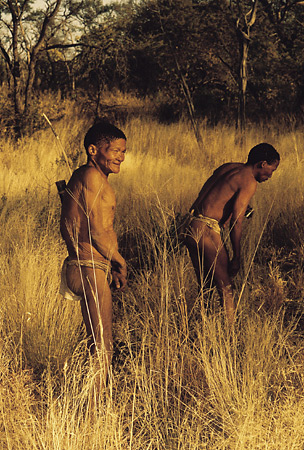
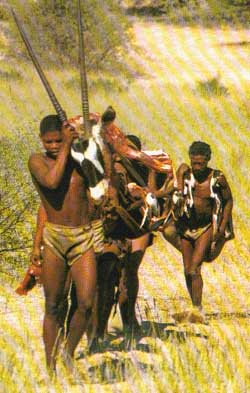
Here are some excerpts from this recent paper in Current Anthropology (link and abstract are below) that describes the effectiveness of persistence hunting (running prey into exhaustion) of !Xo and /Gwi hunters in Botswana. I thought this paper was really interesting. It goes into the details of how such hunts are conducted, compares it to other methods of hunting with actual return rate data, and goes into the unique human physiology that allows such persistence hunting. There's also an evolutionary hypothesis elaboration in the appendix, and a video too!!!

On the two hypotheses for endurance running:

Two possible hypotheses are
given for why early Homo would have needed to run long distances. One hypothesis is scavenging. Competition to reach carcasses before other scavengers would have increased the fitness benefits of features that improve endurance running capabilities. Another hypothesis, presented by Carrier (1984), is that early hominin hunters used endurance running to run some mammals to exhaustion.

...and what the author finds:

Data from observations of !Xo and /Gwi hunters of the central Kalahari in Botswana presented here suggest that persistence hunting was a very efficient method under certain conditions. Compared with other forms of hunting, it may have been one of the most efficient.

the basics of how they do it:

The hunt takes place during the hottest time of the day, with maximum temperatures of about 39–42°C. Before starting, the hunters drink as much water as they can. Then they run up to the animal, which quickly flees, and track its footprints at a running pace. Meanwhile, the animal will have stopped to rest in the shade. The hunters must find the animal and chase it before it has rested long enough. This process is repeated until the animal is run to exhaustion.

..and part of their conclusion:

Compared with other hunting methods, persistence hunting is, given the right conditions, an effective method with a relatively good success rate and meat yield. The data presented suggest that it produces a higher meat yield than hunting with bow and arrow, clubs and spears, or springhare probes and about the same as snaring. Only hunting with dogs produces a significantly higher meat yield.

Persistence Hunting by Modern Hunter-Gatherers

CURRENT ANTHROPOLOGY Volume 47, Number 6, December 2006

Louis Liebenberg

Abstract: Endurance running may be a derived capability of the genus Homo and may have been instrumental in the evolution of the human body form. Two hypotheses have been presented to explain why early Homo would have needed to run long distances: scavenging and persistence hunting. Persistence hunting takes place during the hottest time of the day and involves chasing an animal until it is run to exhaustion. A critical factor is the fact that humans can keep their bodies cool by sweating while running. Another critical factor is the ability to track down an animal. Endurance running may have had adaptive value not only in scavenging but also in persistence hunting. Before the domestication of dogs, persistence hunting may have been one of the most efficient forms of hunting and may therefore have been crucial in the evolution of humans.

Costs of Carnivory

The Costs of Carnivory

Chris Carbone, Amber Teacher, J. Marcus Rowcliffe

PLoS Biology January 16, 2007

Abstract: Mammalian carnivores fall into two broad dietary groups: smaller carnivores (<20>20 kg) that specialize in feeding on large vertebrates. We develop a model that predicts the mass-related energy budgets and limits of carnivore size within these groups. We show that the transition from small to large prey can be predicted by the maximization of net energy gain; larger carnivores achieve a higher net gain rate by concentrating on large prey. However, because it requires more energy to pursue and subdue large prey, this leads to a 2-fold step increase in energy expenditure, as well as increased intake. Across all species, energy expenditure and intake both follow a three-fourths scaling with body mass. However, when each dietary group is considered individually they both display a shallower scaling. This suggests that carnivores at the upper limits of each group are constrained by intake and adopt energy conserving strategies to counter this. Given predictions of expenditure and estimates of intake, we predict a maximum carnivore mass of approximately a ton, consistent with the largest extinct species. Our approach provides a framework for understanding carnivore energetics, size, and extinction dynamics.

Hispanic genetic admixture and breast cancer

They only used 15 ancestry informative markers here and find no association between admixture and 'breast cancer risk" (don't know how they define this).

Genetic Admixture among Hispanics and Candidate Gene Polymorphisms: Potential for Confounding in a Breast Cancer Study?

Sweeney C, Wolff RK, Byers T, Baumgartner KB, Giuliano AR, Herrick JS, Murtaugh MA, Samowitz WS, Slattery ML.
Cancer Epidemiol Biomarkers Prev. 2007 Jan;16(1):142-150.
Abstract: Hispanics in the U.S. Southwest have genetic ancestry from Europeans and from American Indians, two groups with markedly different breast cancer incidence rates. Genetic admixture may therefore bias estimates of associations between candidate cancer susceptibility genes and breast cancer in Hispanics. We estimated genetic admixture using 15 ancestry-informative markers for 1,239 Hispanics and 2,505 non-Hispanic Whites in a breast cancer case-control study in the Southwest, the Four Corners Study. Confounding risk ratios (CRR) were calculated to quantify potential bias due to admixture. Genetic admixture was strongly related to self-reported race and ethnic background (P < 0.0001). Among Hispanic controls, admixture was significantly associated with allele frequency for 5 of 11 candidate gene single nucleotide polymorphisms (SNP) examined. Hispanics in the highest versus the lowest quintile of American Indian admixture had higher mean body mass index at age 30 years (25.4 versus 23.6 kg/m(2); P = 0.003), shorter mean height (1.56 versus 1.58 m; P = 0.01), higher prevalence of diabetes (14.8% versus 7.2%; P = 0.04), and a larger proportion with less than a high school education (38.5% versus 23.2%; P = 0.001). Admixture was not associated with breast cancer risk among Hispanics (P = 0.65). CRRs for potential bias to candidate SNP-breast cancer risk ratios ranged from 0.99 to 1.01. Thus, although genetic admixture in Hispanics was associated with exposures, confounding by admixture was negligible due to the null association between admixture and breast cancer. CRRs from simulated scenarios indicated that appreciable confounding by admixture would occur only when within-group candidate SNP allele frequency differences are much larger than any that we observed.

Monday, January 15, 2007

Eur-Afr Gene Expression differences

Check out agnostic's post at GNXP about another paper in AJHG about gene expression differences between Europeans and Africans. They find smaller differences (~17% of genes differentially expressed) between Eur and Afr than the recent study found between Europeans and Asians (23%).

This raises all kinds of questions (although the latest study has a very small sample compared with the Eur-As one) as to what we consider to be the major split in humans. Many studies show that Africans vs. the rest is the major split, but this and other studies have found the major split to be East Asians vs. the rest. I'm thinking mainly here of the Rosenberg et al. paper in Science a few years back where they used STRUCTURE on ~344 microsatellites and find that if K=2, those two pops are East Asians and the rest.

Thursday, January 11, 2007

Amplifying ancient DNA

For those of you planning on excavating some fossil bones and extracting DNA:

Freshly excavated fossil bones are best for amplification of ancient DNA


Mélanie Pruvost, Reinhard Schwarz, Virginia Bessa Correia, Sophie Champlot, Séverine Braguier, Nicolas Morel, Yolanda Fernandez-Jalvo, Thierry Grange, and Eva-Maria Geigl

PNAS Published online before print January 8, 2007

Abstract: Despite the enormous potential of analyses of ancient DNA for phylogeographic studies of past populations, the impact these analyses, most of which are performed with fossil samples from natural history museum collections, has been limited to some extent by the inefficient recovery of ancient genetic material. Here we show that the standard storage conditions and/or treatments of fossil bones in these collections can be detrimental to DNA survival. Using a quantitative paleogenetic analysis of 247 herbivore fossil bones up to 50,000 years old and originating from 60 different archeological and paleontological contexts, we demonstrate that freshly excavated and nontreated unwashed bones contain six times more DNA and yield twice as many authentic DNA sequences as bones treated with standard procedures. This effect was even more pronounced with bones from one Neolithic site, where only freshly excavated bones yielded results. Finally, we compared the DNA content in the fossil bones of one animal, a 3,200-year-old aurochs, excavated in two separate seasons 57 years apart. Whereas the washed museum-stored fossil bones did not permit any DNA amplification, all recently excavated bones yielded authentic aurochs sequences. We established that during the 57 years when the aurochs bones were stored in a collection, at least as much amplifiable DNA was lost as during the previous 3,200 years of burial. This result calls for a revision of the postexcavation treatment of fossil bones to better preserve the genetic heritage of past life forms

Wednesday, January 10, 2007

Modeling the genetics of homosexuality

In this paper, the authors attempt to model how homosexuality can be sustained in a population.
According to them and others, three ways:
  • overdominance
  • sexually antagonistic selection
  • kin altruism
I wonder where the "number of older brothers" theory falls in here?
This is very much theoretical stuff, but according to the authors, has the potential to "generate testable predictions" regarding the genetics of homosexuality

Genetic models of homosexuality: generating testable predictions

Sergey Gavrilets and William R. Rice

Proceedings of the Royal Society B: Biological Sciences
Volume 273, Number 1605 / December 22, 2006 Pages: 3031 - 3038

Abstract: Homosexuality is a common occurrence in humans and other species, yet its genetic and evolutionary basis is poorly understood. Here, we formulate and study a series of simple mathematical models for the purpose of predicting empirical patterns that can be used to determine the form of selection that leads to polymorphism of genes influencing homosexuality. Specifically, we develop theory to make contrasting predictions about the genetic characteristics of genes influencing homosexuality including: (i) chromosomal location, (ii) dominance among segregating alleles and (iii) effect sizes that distinguish between the two major models for their polymorphism: the overdominance and sexual antagonism models. We conclude that the measurement of the genetic characteristics of quantitative trait loci (QTLs) found in genomic screens for genes influencing homosexuality can be highly informative in resolving the form of natural selection maintaining their polymorphism.

Posting comments

I just realized that I could adjust the setting for allowing comments from everyone. Before, I thought only registered Blogger users could post comments... so have at it if you wish.

Hispanic Paradox

A video in the New York Times Science section describes and attempts to explain the so-called "Hispanic Paradox", which is that Hispanic immigrants have higher life expectancy than any other group in America, despite lower socio-economic status:
possible reasons given:
- self selection of those willing to immigrate to the US. (see my post on hypomanic americans)
- cultural ways that promote stress free life and good habits

Jablonksi at NYT

There's an interview and video with Nina Jablonski in the New York Times. Nothing earth-shattering or new here, but I thought I'd post it anyway.
She does say: "These early humans ran long distances in open areas", referring to why we have the "sweatiest (skin) of mammals" (not sure if she means we're just one of the sweatiest or THE sweatiest)

Tuesday, January 09, 2007

Mating structure in the genes

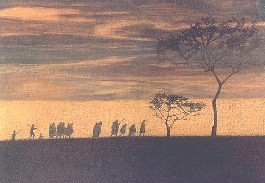
Regarding the previous post on matrilocality, this paper examined differences in mtDNA and Y-chromosome diversity between Central Asian farmers (who are organized into nuclear families and practice endogamy, although the picture below shows exogamy) and pastoral populations (who are organized into lineages and practice exogamy). They don't find much difference in mtDNA diversity, but find less Y-chromosome diversity among the pastoral than the farming populations. They also find that the Uzbek groups who converted to a farming way of life about 20 generations ago show similar patterns of Y-chromosome diversity to the other farmers, indicating that "a molecular signature in Y-chromosome diversity is short-lived and can disappear within a few centuries after the disintegration of descent groups."

Here is the link to the commentary paper where Jobling and Balaresque assert that 70% of modern human populations practice patrilocality, a figure that I've seen disputed at least once.

Monday, January 08, 2007

Genetics of matrilocality, patrilocality

There is also an accompanying commentary paper by Jobling of the paper below. I haven't read either yet, but will post more on this soon.

From Social to Genetic Structures in Central Asia

Current Biology, Vol 17, 43-48, 09 January 2007

Raphaëlle Chaix, Lluís Quintana-Murci, Tatyana Hegay, Michael F. Hammer, Zahra Mobasher, Frédéric Austerlitz, and Evelyne Heyer

Abstract: Pastoral and farmer populations, who have coexisted in Central Asia since the fourth millennium B.C. [1], present not only different lifestyles and means of subsistence but also various types of social organization. Pastoral populations are organized into so-called descent groups (tribes, clans, and lineages) and practice exogamous marriages (a man chooses a bride in a different lineage or clan). In Central Asia, these descent groups are patrilineal: The children are systematically affiliated with the descent groups of the father. By contrast, farmer populations are organized into families (extended or nuclear) and often establish endogamous marriages with cousins [2, 3, 4]. This study aims at better understanding the impact of these differences in lifestyle and social organization on the shaping of genetic diversity. We show that pastoral populations exhibit a substantial loss of Y chromosome diversity in comparison to farmers but that no such a difference is observed at the mitochondrial-DNA level. Our analyses indicate that the dynamics of patrilineal descent groups, which implies different male and female sociodemographic histories, is responsible for these sexually-asymmetric genetic patterns. This molecular signature of the pastoral social organization disappears over a few centuries only after conversion to an agricultural way of life.

Sunday, January 07, 2007

Differences in gene expression between populations

Check out p-ter's post at Gene Expression on a new paper out in Nature Genetics that compares gene expression levels between Asians and Europeans from the HapMap cell lines. As p-ter mentions, it is puzzling why they didn't include the African sample. The paper contains a list of the genes for which expression differed the most -- none were very notable to me.

Friday, January 05, 2007

Asthma: Population differences?

African americans with asthma: genetic insights.
Barnes KC, Grant AV, Hansel NN, Gao P, Dunston GM.

Proc Am Thorac Soc. 2007;4(1):58-68

Abstract: It has been well established that genetic factors strongly affect susceptibility to asthma and its associated traits. It is less clear to what extent genetic variation contributes to the ethnic disparities observed for asthma morbidity and mortality. Individuals of African descent with asthma have more severe asthma, higher IgE levels, a higher degree of steroid dependency, and more severe clinical symptoms than individuals of European descent with asthma but relatively few studies have focused on this particularly vulnerable ethnic group. Similar underrepresentation exists for other minorities, including Hispanics. In this review, a summary of linkage and association studies in populations of African descent is presented, and the role of linkage disequilibrium in the dissection of a complex trait such as asthma is discussed. Consideration for the impact of population stratification in recently admixed populations (i.e., European, African) is essential in genetic association studies focusing on African ancestry groups. With the most recent update on the International HapMap Project, efficient selection of haplotype tagging single nucleotide polymorphisms (htSNPs) for African Americans has accelerated and efficiency of htSNPs chosen from one population to represent other continental groups (e.g., African) has been demonstrated. Cutting-edge approaches, such as genomewide association studies, admixture mapping, and phylogenetic analyses, offer new opportunities for dissecting the genetic basis for asthma in populations of African descent.

Thursday, January 04, 2007

Marathon mice

A new paper is out where transgenic mice that over-express PGC1alpha exhibit greater endurance capacity. Science Blog link
It would be interesting to examine variation of this gene between humans and other primates and between human populations.
endurance running - important human adaptation ??

other genes related to running (with links):
in mice - PPAR
in humans - ACTN3

Wednesday, January 03, 2007

East African mtDNA

their main selling points: whole mtDNA genome sequencing, and more East African population samples...their conclusion: they confirm the role of East African populations (especially around Tanzania?) in the origin and spread of humans to the rest of Africa and the world.

Whole mtDNA Genome Sequence Analysis of Ancient African Lineages

Mary Katherine Gonder, Holly M. Mortensen, Floyd A. Reed, Alexandra de Sousa and Sarah A. Tishkoff

Molecular Biology and Evolution Accepted for publication December 12, 2006.

Abstract: Studies of human mtDNA genomes demonstrate that the root of the human phylogenetic tree occurs in Africa. Although two mtDNA lineages with an African origin (haplogroups M and N) were the progenitors of all non-African haplogroups, macrohaplogroup L (including haplogroups L0-L6) is limited to sub-Saharan Africa. Several L haplogroup lineages occur most frequently in eastern Africa (e.g., L0a, L0f, L5, L3g), but some are specific to certain ethnic groups, such as haplogroup lineages L0d and L0k that previously have been found nearly exclusively among southern African "click" speakers. Few studies have included multiple mtDNA genome samples belonging to haplogroups that occur in eastern and southern Africa but are rare or absent elsewhere. This lack of sampling in eastern Africa makes it difficult to infer relationships among mtDNA haplogroups or to examine events that occurred early in human history. We sequenced 62 complete mtDNA genomes of ethnically diverse Tanzanians, southern African Khoisan speakers and Bakola Pygmies and compared them to a global pool of 226 mtDNA genomes. From these, we infer phylogenetic relationships amongst mtDNA haplogroups and estimate the time to most recent common ancestor (TMRCA) for haplogroup lineages. These data suggest that Tanzanians have high genetic diversity and possess ancient mtDNA haplogroups, some of which are either rare (L0d and L5) or absent (L0f) in other regions of Africa. We propose that a large and diverse human population(s) has persisted in eastern Africa and that eastern Africa may have been an ancient source of dispersion of modern humans both within and outside of Africa.

Tuesday, January 02, 2007

A consensus on the evolution of hominid diets?

What I've been looking for!! (kind of). This review by John Shea of a conference (in the latest issue of Evolutionary Anthropology) held this past May at The Max Planck Institute for Evolutionary Anthropology. It was entitled "The Evolution of Hominid Diets: Integrating Approaches to the Study of Paleolithic Subsistence".

Some of the more interesting tidbits:

"Inception of Meat-Eating":
Evidence from the earliest Homo fossils from 2.5 Mya, indicating a mixed woodland/savanna habitat, suggesting many "opportunities for hunting and scavenging" along with evidence of reduction in molar size, and encephalization "underwritten by higher qualtiy diets"... also some biogeochemical evidence of increased meat eating in Homo.

Scavenging versus Hunting:
Not much here, except a consensus that there was "complex variation in subsistence strategies"

Resource Intensification:
"The Upper Paleolithic subsistence strategy dealt with high risks and costs by reduced residential mobility, increased investment in technology, and broader prey spectra, particularly the in-bulk collection of what would otherwise be low-ranked resources (for example, birds, fish and shellfish)."

Mismatches among lines of evidence: projectiles and fishing:
projectiles: who knows?
fish: "fish are a major source of long-chain fatty acids essential to brain growth", and fishing evidence appears in Upper Paleolithic Homo sapiens, but not Neanderthals.

check out this Max Planck website for more information, including names of participants and abstracts.

Using PCA instead of STRUCTURE

This paper is pretty technical and most of it flew over my head but this paragraph puts it into perspective:

"We can only uncover structure in the samples being analyzed. As pointed out in [39], the sampling strategy can affect the apparent structure. Rosenberg et al. [29] give a detailed discussion of the issue, and of the question of whether clines or clusters are a better description of human genetic variation. However, our “axes of variation” are likely to be relatively robust to this cline/cluster controversy. If there is a genetic cline running across a continent, and we sample two populations at the extremes, then it will appear to the analyst that the two populations form two discrete clusters. However, if the sampling strategy had been more geographically uniform, the cline would be apparent. Nevertheless, the eigenvector reflecting the cline could be expected to be very similar in both cases."

Population Structure and Eigenanalysis


Nick Patterson, Alkes L. Price, David Reich

PLoS Genetics December 2006, 2(12)

Abstract: Current methods for inferring population structure from genetic data do not provide formal significance tests for population differentiation. We discuss an approach to studying population structure (principal components analysis) that was first applied to genetic data by Cavalli-Sforza and colleagues. We place the method on a solid statistical footing, using results from modern statistics to develop formal significance tests. We also uncover a general “phase change” phenomenon about the ability to detect structure in genetic data, which emerges from the statistical theory we use, and has an important implication for the ability to discover structure in genetic data: for a fixed but large dataset size, divergence between two populations (as measured, for example, by a statistic like FST) below a threshold is essentially undetectable, but a little above threshold, detection will be easy. This means that we can predict the dataset size needed to detect structure.

Population differences in allograft failure

It's pretty cool in a study like this when they have data on the effect of a SNP on gene expression levels:
"Compared to Caucasians, African-Americans exhibited a higher prevalence of genotypes associated with low expression of IFN-gamma and IL-10."
Disparate Distribution of 16 Candidate Single Nucleotide Polymorphisms Among Racial and Ethnic Groups of Pediatric Heart Transplant Patients.

Girnita DM, Webber SA, Ferrell R, Burckart GJ, Brooks MM, McDade KK, Chinnock R, Canter C, Addonizio L, Bernstein D, Kirklin JK, Girnita AL, Zeevi A.
Transplantation. 2006 Dec 27;82(12):1774-1780.

BACKGROUND.: Allograft failure in African-Americans remains higher than in Caucasians. Single nucleotide polymorphisms (SNPs) have been associated with altered allograft outcomes. METHODS.: In this multi-center study we compared SNP frequencies in 364 pediatric heart recipients from three ethnic/racial groups: Caucasian (n=243), African-American (n=39), and Hispanic (n=82). The target genes were: tumor necrosis factor-alpha, interleukin (IL)-10, IL-6, interferon (IFN)-gamma, vascular endothelial growth factor (VEGF), transforming growth factor-beta1, Fas, FasL, granzyme B, ABCB1, CYP3A5. RESULTS.: Compared to Caucasians, African-Americans exhibited a higher prevalence of genotypes associated with low expression of IFN-gamma (24% vs. 45.7%, P<0.001) and IL-10 (33% vs. 57.1%, P=0.052). African-Americans also exhibited an increased prevalence of high IL-6 (82.9% vs. 38.1%; P<0.001). VEGF -2578 C/C and -460 C/C genotypes were found more frequently in African-Americans and Hispanics as compared to Caucasians (P<0.001). G/G genotype of Fas and T/T genotype of FasL were expressed more often by African-American recipients. The prevalence of Granzyme B (-295A/G) genotype was differentially distributed in the three groups. Compared with Caucasians, African-Americans were twice as likely to carry the ABCB1 2677 G/G genotype (78.6% vs. 33.7%, P<0.0025), and they were more frequent carriers of the CYP3A5 *1/*1 genotype (35.7% vs. 0.6% in Caucasians and 7.2% in Hispanics; P<0.001). CONCLUSION.: African-Americans have a genetic background that may predispose to proinflammatory/lower regulatory environment, reduced drug exposure and immunosuppressive efficacy. In this ongoing multicenter study, these gene polymorphisms differences among ethnic/racial groups are being documented so that therapeutic strategies can be devised to optimize outcomes for pediatric transplant recipients.

Monday, January 01, 2007

Genetics of Obesity

In this review of the genetics of obesity, the authors review the genetics of monogenic obesity, syndromic obesity, and polygenic obesity. The gist is that some progress has been made but we will have to mainly focus more on GxE interactions and this will be immensely complex as the picture on the left shows. I'm not sure if they mentioned population-based approaches but it would seem that that would hold some promise.

Unraveling the Genetics of Human Obesity

David M. Mutch, Karine Clément

PLoS Genetics December 2006, v. 2(12)

Abstract: The use of modern molecular biology tools in deciphering the perturbed biochemistry and physiology underlying the obese state has proven invaluable. Identifying the hypothalamic leptin/melanocortin pathway as critical in many cases of monogenic obesity has permitted targeted, hypothesis-driven experiments to be performed, and has implicated new candidates as causative for previously uncharacterized clinical cases of obesity. Meanwhile, the effects of mutations in the melanocortin-4 receptor gene, for which the obese phenotype varies in the degree of severity among individuals, are now thought to be influenced by one's environmental surroundings. Molecular approaches have revealed that syndromes (Prader-Willi and Bardet-Biedl) previously assumed to be controlled by a single gene are, conversely, regulated by multiple elements. Finally, the application of comprehensive profiling technologies coupled with creative statistical analyses has revealed that interactions between genetic and environmental factors are responsible for the common obesity currently challenging many Westernized societies. As such, an improved understanding of the different “types” of obesity not only permits the development of potential therapies, but also proposes novel and often unexpected directions in deciphering the dysfunctional state of obesity.

Wednesday, December 27, 2006

Iran, oil and nuclear energy (or weapons?)

I thought it was interesting that a paper like this showed up in PNAS. Basically, maybe Iran's intentions really are good. (the paper is open access, so see link)

The Iranian petroleum crisis and United States national security

Roger Stern

PNAS Early Edition

Abstract: The U.S. case against Iran is based on Iran's deceptions regarding nuclear weapons development. This case is buttressed by assertions that a state so petroleum-rich cannot need nuclear power to preserve exports, as Iran claims. The U.S. infers, therefore, that Iran's entire nuclear technology program must pertain to weapons development. However, some industry analysts project an Irani oil export decline [e.g., Clark JR (2005) Oil Gas J 103(18):34-39]. If such a decline is occurring, Iran's claim to need nuclear power could be genuine. Because Iran's government relies on monopoly proceeds from oil exports for most revenue, it could become politically vulnerable if exports decline. Here, we survey the political economy of Irani petroleum for evidence of this decline. We define Iran's export decline rate (edr) as its summed rates of depletion and domestic demand growth, which we find equals 10-12%. We estimate marginal cost per barrel for additions to Irani production capacity, from which we derive the "standstill" investment required to offset edr. We then compare the standstill investment to actual investment, which has been inadequate to offset edr. Even if a relatively optimistic schedule of future capacity addition is met, the ratio of 2011 to 2006 exports will be only 0.40-0.52. A more probable scenario is that, absent some change in Irani policy, this ratio will be 0.33-0.46 with exports declining to zero by 2014-2015. Energy subsidies, hostility to foreign investment, and inefficiencies of its state-planned economy underlie Iran's problem, which has no relation to "peak oil."

Saturday, December 23, 2006

Science breakthroughs of the year and areas to watch in 2007

The #1 breakthrough according to Science was the proof of the Poincare conjecture. The runners-up are, in order: (see here for all the relevant pubs)

- Sequencing of Neanderthal autosomal DNA
- The worlds two great ice sheets losing ice to the oceans, at an accelerating pace
- Discovery of a fossil of a fish/amphibian.. "missing link" between water and land dwellers
- Cloaking technology: playing around with optics
- advances in understanding and treating age-related macular degeneration
- genetics of biodiversity and speciation
- new microscopy technology that gives clearer view of cells and proteins.
- the role of long-term potentiation in the formation of memory.
- the discovery of piRNAs, another class of small RNA molecules.

Areas to watch in 2007.

I won't list them all here, but obviously more genetic stuff (including whole genome association studies), and global warming.

Also in this issue of Science is a profile of Bruce Lahn. Check out GNXP on this.

Friday, December 22, 2006

Elevated ethnocentrism in the first trimester of pregnancy

This paper seemed really cool at first glance but then I was disappointed when I read it. It basiacally supports the hypothesis that during the first trimester of pregnancy in-group favoritism is at the most heightened state of the whole pregnancy because this is when the mother's immune system is on its highest alert.
The major thing that I did not like about it was that the title says ethnocentrism but then the research looks at American vs. non-American, so not so much at ethnicity, per se, after all.

Elevated ethnocentrism in the first trimester of pregnancy

Carlos David Navarrete, Daniel M.T. Fessler and Serena J. Eng

Evolution and Human Behavior Volume 28, Issue 1 , January 2007, Pages 60-65

Abstract: Recent research employing a disease-threat model of the psychology of intergroup attitudes has provided preliminary support for a link between subjectively disease-salient emotional states and ethnocentric attitudes. Because the first trimester of pregnancy is a period of particular vulnerability to infection, pregnant women offer an opportunity to further test this association. We explored the expression of intergroup attitudes in a sample of pregnant women from the United States. Consistent with the predictions of the disease-threat model, results from our cross-sectional study indicate that favoritism toward the ingroup peaks during the first trimester of pregnancy and decreases during the second and third trimesters. We discuss this finding in light of the possible contributions of cultural and biological factors affecting ethnocentrism.

Wednesday, December 20, 2006

CNVs and human-chimp differences

Evolgen has covered the recent papers on CNVs and he has another one up about how CNVs might help us explain phenotypic differences between chimpanzees and humans. There is a paper by Hahn that will be coming out soon in PLoS One. This journal has still not published its first issue.

Tuesday, December 19, 2006

Samuel Bowles on group competition and relatedness as important factors in human cooperation


I thought I would go over some more of the details of this paper by Samuel Bowles in Science. I had briefly covered it in a recent post. The paper hasn't gotten as much coverage as I think it deserves so I'll try to spread the meme here.
My understanding of it, in a (long) sentence is that using the Price Equation for the evolution of altruism which takes into account the balance of a within-deme and between deme effect, and some estimates of group competition and within-group relatedness among modern hunter-gatherers, S. Bowles argues that with group competition and group relatedness being high enough (and he provides evidence that it may indeed have been) and with reproductive leveling due to monogamy (thereby reducing the amount of intra-group competition), human large scale cooperation can flourish.

Ok, that was a long sentence. Maybe a shorter way of saying this is that cooperation in humans is largely due to the relatedness of people within groups, along with the fact that conflict between groups was frequent enough and that reproductive leveling (monogamy) offset any possibility that within-group competition would increase too much.

Some questions:

Is it safe to make the assumption that the extent of group warfare we see in today's hunter-gatherers closely approximates what it was for most of our hominin evolution? - not so sure about that. Bowles actually notes that "even very infrequent contests would have been sufficient to spread quite costly forms of altruism. He also thinks that recurrent warfare would explain the frequent catastrophic mortality and very slow growth rates seen in human demographic history.

Is it safe to assume that levels of relatedness among individuals in groups was the same now in hunter-gatherers as it was for most of our hominin evolution? - I'm not very clear on how/where S. Bowles gets his data for relatedness among the hunter-gatherer groups and also why if they are so surprisingly high (just under that for cousins) no one else would have noticed this before.

I have always had a strong intuition that human cooperation is greatly strenthened by relatedness within groups and non-relatedness between groups and by group conflict. I had never thought of the importance of reproductive leveling. Sam Bowles gives these ideas which resemble the arguments of group selection) some empirical and theoretical strength.

These ideas have been passed around before, but it seems that the multilevel-selection approach to understanding human cooperation has gained much more acceptance recently.

Saturday, December 16, 2006

Tradeoffs: UV, Folate, vitamin D, pregnancy loss

gotta love the name of this gene .... mthfr..... anyway, here's a short letter about multiple selective pressures and tradeoffs relating to folate metabolism and UV and the gradient of a particular genotype across northern to southern Europe, and also across N to S Americas.

Ultraviolet radiation represents an evolutionary selective pressure for the south-to-north gradient of the MTHFR 677TT genotype


Loren Cordain, Matthew Hickey

American Journal of Clinical Nutrition, Vol. 84, No. 5, 1243, November 2006

The pubmed link to this paper is not functioning properly and there is no abstract to link to, but here's the full-text below without the references.

In a recent issue of the Journal, Guéant-Rodriguez et al (1) and Devlin et al (2) confirmed prior observations (3) of a nutrient-gene interaction between methylenetetrahydrofolate reductase (MTHFR) and folate status. Homozygosity for the MTHFR 677TT genotype converts an alanine to a valine at position 222 in the amino acid sequence and reduces the enzyme activity, which causes hyperhomocysteinemia (4), which in turn increases the risk for cardiovascular disease, cognitive dysfunction, Alzheimer disease, and osteoporotic fractures (5), as well as recurrent early pregnancy loss (6, 7). These pathophysiologic sequelae likely materialize only when folate status is compromised (1, 2). Hence, it has been suggested that MTHFR 677TT genotype homozygosity may confer survival value in populations with sufficient dietary folate (8, 9), because this polymorphism is protective against colon cancer (10) and acute lymphatic leukemia (11), perhaps by contributing methylenetetrahydrofolate to DNA synthesis and thereby preventing double-strand DNA ruptures (12).

In addition to reduced dietary folate intake and absorption, it is less well appreciated that other environmental factors, including dermal exposure to ultraviolet (UV) radiation, may adversely influence folate status (13, 14). Exposure of human plasma in vitro to simulated strong sunlight causes a 30–50% loss of folate within 60 min, and light-skinned patients chronically exposed to UV radiation for dermal disorders maintain low plasma folate concentrations, which suggests in vivo dermal photolysis of folate (13). In contrast, dark skin (via its greater concentration of melanin) may prevent UV photolysis of folate (13, 14).

In European populations, a simultaneous south-to-north gradient exists for dermal pigmentation (14) and the presence of MTHFR 677TT (15). The prevalence of MTHFR 677TT decreases in a south-to-north manner: 10–12% of light-skinned Northern Europeans maintain the MTHFR 677TT genotype (2), but the highest frequency of this polymorphism occurs in more dark-skinned Southern Europeans, such as Sicilians (1). A similar, simultaneous and latitudinally dependent gradient in the frequency of the MTHFR 677TT allele (16, 17) and dermal pigmentation (14) has been found in the Americas.

As human populations move into more northern latitudes where they are exposed to less annual UV radiation, the evolutionary selection for less pigmented, lighter skin may represent an asset in that it can improve vitamin D status and lessen the risk for rickets and other vitamin D–related disorders (14). However, because lighter skin contains less protective melanin, it represents a liability with respect to folate metabolism, because lighter skin may be more susceptible than darker skin to photolysis of folate (13). Hence, to counter the increased loss of folate in lighter-skinned populations during seasonal exposure to UV sunlight, genes that lower plasma homocysteine concentrations by favoring increased the synthesis of MTHFR would convey selective advantage, perhaps by reducing recurrent early pregnancy loss (6, 7). The risk of recurrent early pregnancy loss in those who are homozygous for the MTHFR 677TT genotype is 2- to 3-fold that in those who maintain the wild or heterozygous genotype (6). In females of reproductive age, recurrent early pregnancy loss caused by impaired folate status represents the most likely environmental pressure favoring the selection of protective genotypes such as MTHFR 677CC, because cardiovascular disease, cognitive dysfunction, Alzheimer disease, and osteoporotic fractures typically occur in the postreproductive years.

Thursday, December 14, 2006

On the need and preference for the costly punishment option

The efficient interaction of indirect reciprocity and costly punishment

Bettina Rockenbach and Manfred Milinski

Nature
444, 718-723 (7 December 2006)

Abstract: Human cooperation in social dilemmas challenges researchers from various disciplines. Here we combine advances in experimental economics and evolutionary biology that separately have shown that costly punishment and reputation formation, respectively, induce cooperation in social dilemmas. The mechanisms of punishment and reputation, however, substantially differ in their means for 'disciplining' non-cooperators. Direct punishment incurs salient costs for both the punisher and the punished, whereas reputation mechanisms discipline by withholding action, immediately saving costs for the 'punisher'. Consequently, costly punishment may become extinct in environments in which effective reputation building—for example, through indirect reciprocity—provides a cheaper and powerful way to sustain cooperation. Unexpectedly, as we show here, punishment is maintained when a combination with reputation building is available, however, at a low level. Costly punishment acts are markedly reduced although not simply substituted by appreciating reputation. Indeed, the remaining punishment acts are concentrated on free-riders, who are most severely punished in the combination. When given a choice, subjects even prefer a combination of reputation building with costly punishment. The interaction between punishment and reputation building boosts cooperative efficiency. Because punishment and reputation building are omnipresent interacting forces in human societies, costly punishing should appear less destructive without losing its deterring force.

Tuesday, December 12, 2006

More on CNVs in the human genome

A Comprehensive Analysis of Common Copy-Number Variations in the Human Genome

Kendy K. Wong, Ronald J. deLeeuw, Nirpjit S. Dosanjh, Lindsey R. Kimm, Ze Cheng, Douglas E. Horsman, Calum MacAulay, Raymond T. Ng, Carolyn J. Brown, Evan E. Eichler, and Wan L. Lam

Am. J. Hum. Genet.
, 80:91-104, 2007

Abstract: Segmental copy-number variations (CNVs) in the human genome are associated with developmental disorders and susceptibility to diseases. More importantly, CNVs may represent a major genetic component of our phenotypic diversity. In this study, using a whole-genome array comparative genomic hybridization assay, we identified 3,654 autosomal segmental CNVs, 800 of which appeared at a frequency of at least 3%. Of these frequent CNVs, 77% are novel. In the 95 individuals analyzed, the two most diverse genomes differed by at least 9 Mb in size or varied by at least 266 loci in content. Approximately 68% of the 800 polymorphic regions overlap with genes, which may reflect human diversity in senses (smell, hearing, taste, and sight), rhesus phenotype, metabolism, and disease susceptibility. Intriguingly, 14 polymorphic regions harbor 21 of the known human microRNAs, raising the possibility of the contribution of microRNAs to phenotypic diversity in humans. This in-depth survey of CNVs across the human genome provides a valuable baseline for studies involving human genetics.

Monday, December 11, 2006

Another one on lactose tolerance

This paper is very similar to the recent one in Human Genetics that identified the T/G-13915 SNP in a Sudanes population. Here, Tishkoff et al. identify two other SNPs in a population of Kenyans, Tanzanians and Sudanese. I wonder if there's some sort of rivalry going on between these two groups.

Convergent adaptation of human lactase persistence in Africa and Europe

Sarah A Tishkoff, Floyd A Reed, Alessia Ranciaro, Benjamin F Voight, Courtney C Babbitt, Jesse S Silverman, Kweli Powell, Holly M Mortensen, Jibril B Hirbo, Maha Osman, Muntaser Ibrahim, Sabah A Omar, Godfrey Lema, Thomas B Nyambo, Jilur Ghori, Suzannah Bumpstead, Jonathan K Pritchard, Gregory A Wray & Panos Deloukas

Nature Genetics Published online: 10 December 2006;

Abstract:
A SNP in the gene encoding lactase (LCT) (C/T-13910) is associated with the ability to digest milk as adults (lactase persistence) in Europeans, but the genetic basis of lactase persistence in Africans was previously unknown. We conducted a genotype-phenotype association study in 470 Tanzanians, Kenyans and Sudanese and identified three SNPs (G/C-14010, T/G-13915 and C/G-13907) that are associated with lactase persistence and that have derived alleles that significantly enhance transcription from the LCT promoter in vitro. These SNPs originated on different haplotype backgrounds from the European C/T-13910 SNP and from each other. Genotyping across a 3-Mb region demonstrated haplotype homozygosity extending >2.0 Mb on chromosomes carrying C-14010, consistent with a selective sweep over the past 7,000 years. These data provide a marked example of convergent evolution due to strong selective pressure resulting from shared cultural traits—animal domestication and adult milk consumption.

Friday, December 08, 2006

Group competition, relatedness, and the evolution of human altruism

Science and Nature both seem to love research on human altruism/cooperation. Here is the latest by Sam Bowles from the Santa Fe Institute. The argument that he makes and the empirical and modeling evidence that he uses implies that human cooperation can be partly attributed to genetic relatedness between groups and conflict with other groups..so a sort of group/kin selection, the two of which are basically the same. There's a commentary by Rob Boyd and a related paper by Marin Nowak on the five rules for the evolution of cooperation (see below). Sam Bowles uses some relatedness data from modern hunter gatherers where the average degree of relatedness between group members turn out to be almost as high as cousins. I haven't looked too closely yet at how all this was measured, but sounds compelling.

Group Competition, Reproductive Leveling, and the Evolution of Human Altruism

Samuel Bowles

Science 8 December 2006:Vol. 314. no. 5805, pp. 1569 - 1572

Abstract: Humans behave altruistically in natural settings and experiments. A possible explanation—that groups with more altruists survive when groups compete—has long been judged untenable on empirical grounds for most species. But there have been no empirical tests of this explanation for humans. My empirical estimates show that genetic differences between early human groups are likely to have been great enough so that lethal intergroup competition could account for the evolution of altruism. Crucial to this process were distinctive human practices such as sharing food beyond the immediate family, monogamy, and other forms of reproductive leveling. These culturally transmitted practices presuppose advanced cognitive and linguistic capacities, possibly accounting for the distinctive forms of altruism found in our species.

Five Rules for the Evolution of Cooperation

Martin A. Nowak

Science 8 December 2006:Vol. 314. no. 5805, pp. 1560 - 1563

Abstract: Cooperation is needed for evolution to construct new levels of organization. Genomes, cells, multicellular organisms, social insects, and human society are all based on cooperation. Cooperation means that selfish replicators forgo some of their reproductive potential to help one another. But natural selection implies competition and therefore opposes cooperation unless a specific mechanism is at work. Here I discuss five mechanisms for the evolution of cooperation: kin selection, direct reciprocity, indirect reciprocity, network reciprocity, and group selection. For each mechanism, a simple rule is derived that specifies whether natural selection can lead to cooperation.

Wednesday, December 06, 2006

Four Stone Hearth Anthropology Blog Carnival - 4th Edition

Welcome to the fourth edition of the Four Stone Hearth Anthropology Blog Carnival. The excitement that was generated from all the Neanderthal DNA papers will be a hard act to follow, but it looks like we have many excellent, thought provoking submissions. We’ll go field by field and due to my bias, we'll begin with Biological Anthropology.

Biological Anthropology

Afarensis starts us off with a great review of a recent paper describing the results of an experiment where one species of baboon was mated (willingly or not, I don't know) with another species of baboons mainly to see if good (heterosis) or bad things (dysgenesis) resulted. The authors note that this is a good model with which to examine the likelihood of hybridization between homo species. One thing I remember from this paper was that the matings were always the male of one species with the female of the other species, or some sort of analogous asymmetry.

In light of all the exciting things happening in Molecular Anthropology these days, I'm happy that Kambiz from Anthropology.net submitted his piece on copy number variation (CNV in the human genome. Kambiz does a really thorough job of introducing the basic concepts and the major findings from the study. As we continue to study the genomes (and continue to develop better ways to look at it) we are finding more and more sources of complexity. If I remember correctly, the researchers were able to assess a small fraction of these CNVs (only the big ones) as most of them are small repeats. Kambiz reviews the health implications these CNVs might have and how they cluster human population-wise.

Cultural Anthropology

Martin Rundkvist's submission called Leave the Ghetto from his blog Saltos Sobrius is very thought provoking and throws up the question of whether distinct minority cultures and ethnicities should be maintained or encouraged under a nation-state system. He makes the argument that to reduce inequalities, the minority cultures/ethnicities must "assume places inside majority society through education and employment". Even with programs like affirmative action in the US, progress in this area is very slow, highlighting the extent to which the generational cycle of economic class is very hard to break. This goes hand in hand with the fact that when times are tough, humans tend to rely even more on their groups (ethnic or otherwise) as buffering and support systems. This provides me with the perfect segue to the next submission about how disconnected our modern lives may be.

William Klinger at Nomadic Thoughts has submitted his post entitled Social (dis)connections. He discusses a New York Times op-ed piece which talks about how our social lives have been transformed from many face to face interactions to interactions through text and voice. I have heard stories about how the circle of friends of average Americans has been getting smaller as we lead more individualistic lives. The author of this piece presents a balanced description of what may be going on. As Will Klinger puts it: "The reason Johnson’s post satisfies me is because it strikes a happy medium between a hypersensitivity to the effects of technology in our lives on the one hand and the unbridled technophilia that so many of my generation have succumbed to"

Over at Wanna be an Anthropologist, Paul Wren has submitted a post about Anthropology on the Moon. In it, he discusses how NASA plans to install a permanent base on the moon where people will be stationed. He then discusses all the things that anthropologists might like to study in this type of a living situation (development of culture, social dynamics, marriage and kinship) I've often wondered myself if there are anthropologists out there taking down data from TV shows like Survivor.

Lexis2Praxis has a post at Anthropology.net that examines the anthropology of the modern office space. Like any living environment of humans, each place develops its own set of cultural norms. These are discussed in the post. It reminds me of the movie Office Space. There is also a post on our networked culture and who gets to participate and who doesn't.

Archaeology
Lucy Jr. at The Second Sight has this entry which is a commentary on paleoanthropologists behaving badly over the Hobbit find in Flores Island, Indonesia. According to Lucy Jr., actions taken and the interpretation of the find was not so much of scientists interpreting a discovery, as a drama of passion, jealousy and old rivalries. Please click on the links of the characters in this story, as I was pleasantly surprised to see links to websites of actual researchers who, I assume, are working in Flores.

Stolen and Looted: Cultural History Lost and Destroyed for a Buck is the title of a post by Carl Feagans at Hot Cup of Joe. Here, we learn that many archaeological sites in Peru, Iraq, South East Asia and the American Southwest are under the threat of looting for archaeological treasures that can be sold for profit. Some quite stunning photos of looted sites are shown in the post...pretty surreal!! Also, check out his other post: Stolen and Looted: Who Does the Past Belong To? for related information.

K. Kris Hirst at Archaeology.com has submitted an interesting piece on Damascus Steel. Apparently this is a type of steel used to make blades around the 11 or 12th century AD that seems to be very sophisticated and must have required a high level of technology to make, thus mystifying archaeologists.

Last but not least, Johan Normark at Archaeolog has submitted a post on Polyagentive Archaeology. "The polyagentive approach primarily differs from the humanocentric archaeology in that it tries to decentralize the human, to give an account of active tangible archaeological materialities and intangibilities (anything that can be perceived but which is not solid or palpable). This approach also aims to initially de-culturalize and de-socialize the past by emphasizing what lasts, differentiates and repeats."

Well, there we are. I hope that everyone enjoys this. I think we had a good turnout from the Cultural Anthropologists and the Archaeologits. It would have been nice to have a few more bio submissions (I'll take some blame for that, given my lack of a submission) and some linguistic submissions.

Tuesday, December 05, 2006

Requesting submissions for Four Stone Hearth Anthropology Blog Carnival

If any of you bloggers out there have any submissions for the latest edition of the Four Stone Hearth Anthro. Blog Carnival, please email them as soon as possible to submit@fourstonehearth.net. These can be any posts related in any way to Anthropology. I will then put all the submissions together in a sort of highlights post of all the submissions, meant to reflect what is being blogged about at this time in the area of Anthropology.

Monday, December 04, 2006

New book about Omega-3 fatty acids

Here's a review in Nature of a new book on Omega-3 fatty acids:

The Queen of Fats: Why Omega-3s Were Removed from the Western Diet and What We Can Do to Replace Them
by Susan Allport
University of California Press: 2006. 232 pp. $22.50, £14.95

Thursday, November 30, 2006

Malfunctioning links

I just realized that a lot of the links to abstracts or journal papers on my posts don't work. I'll pay more attention to making sure the links work in future posts.

The genetics of lactase persistence in different populations

adaptation by whatever means available, like skin color and adaptation to high altitude.

A novel polymorphism associated with lactose tolerance in Africa: multiple causes for lactase persistence?

Catherine J. E. Ingram, Mohamed F. Elamin, Charlotte A. Mulcare, Michael E. Weale, Ayele Tarekegn, Tamiru Oljira Raga, Endashaw Bekele, Farouk M. Elamin, Mark G. Thomas, Neil Bradman and Dallas M. Swallow

Human Genetics Published online: 21 November 2006

Abstract: Persistence or non-persistence of lactase expression into adult life is a polymorphic trait that has been attributed to a single nucleotide polymorphism (C-13910T) in an enhancer element 13.9 kb upstream of the lactase gene (LCT). The -13910*T allele occurs at very high frequency in northern Europeans as part of a very long haplotype (known as A), and promotes binding of the transcription factor Oct-1. However, -13910*T is at very low frequency in many African milk drinking pastoralist groups where lactase persistence phenotype has been reported at high frequency. We report here for the first time, a cohort study of lactose digester and non-digester Sudanese volunteers and show there is no association of -13910*T or the A haplotype with lactase persistence. We support this finding with new genotype/phenotype frequency comparisons in pastoralist groups of eastern African and Middle Eastern origin. Resequencing revealed three new SNPs in close proximity to -13910*T, two of which are within the Oct-1 binding site. The most frequent of these (-13915*G) is associated with lactose tolerance in the cohort study, providing evidence for a cis-acting effect. Despite its location, -13915*G abolishes, rather than enhances Oct-1 binding, indicating that this particular interaction is unlikely to be involved in lactase persistence. This study reveals the complexity of this phenotypic polymorphism and highlights the limitations of C-13910T as a diagnostic test for lactase persistence status, at least for people with non-European ancestry.

Tuesday, November 28, 2006

Tying testosterone, immune function, and sexual signaling.

From what I can glean, testosterone increases coloration, but is also immunosuppressant, and it seems like extra carotenoids are first diverted to immune function, then to coloration thus providing an honest signal.

Testosterone increases bioavailability of carotenoids: Insights into the honesty of sexual signaling

J. Blas, L. Pérez-Rodríguez, G. R. Bortolotti, J. Viñuela , and T. A. Marchant


PNAS Published online before print November 22, 2006

Abstract: Androgens and carotenoids play a fundamental role in the expression of secondary sex traits in animals that communicate information on individual quality. In birds, androgens regulate song, aggression, and a variety of sexual ornaments and displays, whereas carotenoids are responsible for the red, yellow, and orange colors of the integument. Parallel, but independent, research lines suggest that the evolutionary stability of each signaling system stems from tradeoffs with immune function: androgens can be immunosuppressive, and carotenoids diverted to coloration prevent their use as immunostimulants. Despite strong similarities in the patterns of sex, age and seasonal variation, social function, and proximate control, there has been little success at integrating potential links between the two signaling systems. These parallel patterns led us to hypothesize that testosterone increases the bioavailability of circulating carotenoids. To test this hypothesis, we manipulated testosterone levels of red-legged partridges Alectoris rufa while monitoring carotenoids, color, and immune function. Testosterone treatment increased the concentration of carotenoids in plasma and liver by >20%. Plasma carotenoids were in turn responsible for individual differences in coloration and immune response. Our results provide experimental evidence for a link between testosterone levels and immunoenhancing carotenoids that (i) reconciles conflicting evidence for the immunosuppressive nature of androgens, (ii) provides physiological grounds for a connection between two of the main signaling systems in animals, (iii) explains how these signaling systems can be evolutionary stable and honest, and (iv) may explain the high prevalence of sexual dimorphism in carotenoid-based coloration in animals.

Monday, November 27, 2006

Religion, Geography, and Genes in India

The abstract of this paper is long, but fairly interesting in itself. According to their study, "Islamization in India did not involve large-scale replacement of Hindu Y chromosomes".

A shared Y-chromosomal heritage between Muslims and Hindus in India

Ramana Gutala, Denise R. Carvalho-Silva, Li Jin, Bryndis Yngvadottir, Vasanthi Avadhanula, Khaja Nanne, Lalji Singh, Ranajit Chakraborty and Chris Tyler-Smith

Human Genetics Volume 120, Number 4 / November, 2006

Abstract: Arab forces conquered the Indus Delta region in 711 AD and, although a Muslim state was established there, their influence was barely felt in the rest of South Asia at that time. By the end of the tenth century, Central Asian Muslims moved into India from the northwest and expanded throughout the subcontinent. Muslim communities are now the largest minority religion in India, comprising more than 138 million people in a predominantly Hindu population of over one billion. It is unclear whether the Muslim expansion in India was a purely cultural phenomenon or had a genetic impact on the local population. To address this question from a male perspective, we typed eight microsatellite loci and 16 binary markers from the Y chromosome in 246 Muslims from Andhra Pradesh, and compared them to published data on 4,204 males from East Asia, Central Asia, other parts of India, Sri Lanka, Pakistan, Iran, the Middle East, Turkey, Egypt and Morocco. We find that the Muslim populations in general are genetically closer to their non-Muslim geographical neighbors than to other Muslims in India, and that there is a highly significant correlation between genetics and geography (but not religion). Our findings indicate that, despite the documented practice of marriage between Muslim men and Hindu women, Islamization in India did not involve large-scale replacement of Hindu Y chromosomes. The Muslim expansion in India was predominantly a cultural change and was not accompanied by significant gene flow, as seen in other places, such as China and Central Asia.

Friday, November 24, 2006

Ten rules to get the right postdoc

A paper appearing in the November 2006 issue PLoS Computational Biology (see link below) lists ten rules for selecting a postdoctoral position:

Rule 1: Select a Position that Excites You
Rule 2: Select a Laboratory That Suits Your Work and Lifestyle
Rule 3: Select a Laboratory and a Project That Develop New Skills
Rule 4: Have a Backup Plan
Rule 5: Choose a Project with Tangible Outcomes That Match Your Career Goals
Rule 6: Negotiate First Authorship before You Start
Rule 7: The Time in a Postdoctoral Fellowship Should Be Finite
Rule 8: Evaluate the Growth Path
Rule 9: Strive to Get Your Own Money
Rule 10: Learn to Recognize Opportunities

see the full text at:
Ten Simple Rules for Selecting a Postdoctoral Position by Philip E. Bourne, Iddo Friedberg

Tuesday, November 21, 2006

Food and Anthropology

For the latest edition of the Four Stone Hearth, there will be a food theme, so I thought I'd post some issues/questions that I have regarding food and anthropology:
  • To what extent did our ancestors eat a diet high in carbohydrates and sugar?
  • What is the significance of this regarding the prevalence of diabetes today? and how does this relate to the population differences in diabetes?
  • To what extent did marine foods contribute to our increase in brain size?
  • What's the deal with mannose and other sugars that degrade once vegatables and fruits are ripped from their plants or from their roots, but are supposedly vitally important, and lacking in our diet?
  • Does calorie restriction extend lifespan in humans? I don't think we'll know this "for sure" for several years.
  • Is a high protein diet healthy for humans? Did our ancestors consume a high protein diet?
  • What does the "optimal foraging strategy" consist of in today's modern environments? How might this differ between different SES levels and between different cultures?

Friday, November 17, 2006

Eye Color determined by a three SNP haplotype

Check out Dienekes' post on this new paper in AJHG. They find that eye color can be explained by a three SNP haplotype in OCA2, a gene that has been implicated in other pigmentary phenotypes as well.

Color and Ancestry in Brazil

From what I can understand, this study divides Brazilians into three "color" groups and then sees if their genomic ancestry as measured by 12 forensic markers predicts which color group they should fall in. They found a lot of overlap between the middle and extremes, but not between extremes. The number of markers is small. I'd like to see how they did their "physical evaluation" to determine who is white, intermediate, or black.

Color and Genomic Ancestry in Brazilians: A Study with Forensic Microsatellites.

Pimenta JR, Zuccherato LW, Debes AA, Maselli L, Soares RP, Moura-Neto RS, Rocha J, Bydlowski SP, Pena SD.

Hum Hered. 2006 Nov 10;62(4):190-195 [Epub ahead of print.]

Abstract:
The population of Brazil, formed by extensive admixture between Amerindians, Europeans and Africans, is one of the most variable in the world. We have recently published a study that used ancestry-informative markers to conclude that in Brazil, at an individual level, color, as determined by physical evaluation, was a poor predictor of genomic ancestry, estimated by molecular markers. To corroborate these findings we undertook the present investigation based on data from 12 commercially available forensic microsatellites that were utilized to estimate the personal genomic origin for each of 752 individuals from the city of Sao Paulo, belonging to different Brazilian color categories (275 Whites, 192 Intermediates and 285 Blacks). The genotypes permitted the calculation of a personal likelihood-ratio estimator of African or European ancestry. Although the 12 marker set proved capable of discriminating between European and African individuals, we observed very significant overlaps among the three color categories of Brazilians. This was confirmed quantitatively using a Bayesian analysis of population structure that did not demonstrate significant genetic differentiation between the three color groups. These results corroborate and validate our previous conclusions using ancestry-informative markers that in Brazil at the individual level there is significant dissociation of color and genomic ancestry.

Thursday, November 16, 2006

Neanderthal hoopla

I've been staying away from posting anything on the recent Neanderthal stuff, but I thought I'd give some props to the many posts at Gene Expression and Razib's Gene Expression.
In particular I like this post where Razib discusses the idea of "Ecotype persistence", then Chet Snicker's post showing an example of an ecotype in bears.
Check all these out, as well as John Hawks weblog.

Tuesday, November 14, 2006

Epigenetic modification through diet

Germ cells carry the epigenetic benefits of grandmother's diet

Craig Cooney

PNAS published online November 13, 2006

This is a commentary of a paper in PNAS about how mice fed differently (with methyl) during pregnancy can have offspring and grandoffspring with different coat color. "They find that this effect is inherited by the next generation, presumably through germ-line modifications during grandmaternal supplementation."
Then, from the last paragraph:
"In humans, the possibility even the likelihood, that grandmaternal diets contributed to the incidence of obesity and diabetes in the current generation and that today's dietary habits will have effects for generations to come make the work of Cropley et al. especially important."

Cropley JE, Suter CM, Beckman KB, Martin DIK (2006) PNAS USA 103:17308-17312

Monday, November 13, 2006

Genes underlying adaptation to hypoxia

Finding the genes underlying adaptation to hypoxia using genomic scans for genetic adaptation and admixture mapping.

Shriver MD, Mei R, Bigham A, Mao X, Brutsaert TD, Parra EJ, Moore LG.

Adv Exp Med Biol. 2006;588:89-100.

Abstract: The complete sequencing the human genome and recent analytical advances have provided the opportunity to perform genome-wide studies of human variation. There is substantial potential for such population-genomic approaches to assist efforts to uncover the historical and demographic histories of human populations. Additionally, these genome-wide datasets allow for investigations of variability among genomic regions. Although all genomic regions in a population have experienced the same demographic events, they have not been affected by these events in precisely the same way. Much of the variability among genomic regions is simply the result of genetic drift (i.e., gene frequency changes resulting from the effects of small breeding-population size), but some is also the result of genetic adaptation, which will only affect the gene under selection and nearby regions. We have used a new DNA typing assay that allows for the genotyping of thousands of SNPs on hundreds of samples to identify regions most likely to have been affected by genetic adaptation. Populations that have inhabited different niches (e.g., high-altitude regions) can be used to identify genes underlying the physiological differences. We have used two methods (admixture mapping and genome scans for genetic adaptation) founded on the population-genomic paradigms to search for genes underlying population differences in response to chronic hypoxia. There is great promise that together these methods will facilitate the discovery of genes influencing hypoxic response.

Friday, November 10, 2006

Human Gene Map for Performance and Health Related Phenotypes

This is always an interesting yearly paper to look at. It is a review of studies that have found associations between genetic variants and phenotypes such as endurance, muscle strength, training response, hemodynamic traits, insulin and glucose metabolism, fat distribution, blood lipid, exercise intolerance, Vo2max, and more ...

The Human Gene Map for Performance and Health-Related Fitness Phenotypes: The 2005 Update

TUOMO RANKINEN, MOLLY BRAY, JAMES HAGBERG, LOUIS PÉRUSSE, STEPHEN ROTH, BERND WOLFARTH, CLAUDE BOUCHARD

Medicine and Science in Sports & Exercise Volume 38, Number 11 (November 2006)

Abstract: The current review presents the 2005 update of the human gene map for physical performance and health-related fitness phenotypes. It is based on peer-reviewed papers published by the end of 2005. The genes and markers with evidence of association or linkage with a performance or fitness phenotype in sedentary or active people, in adaptation to acute exercise, or for training-induced changes are positioned on the genetic map of all autosomes and the X chromosome. Negative studies are reviewed, but a gene or locus must be supported by at least one positive study before being inserted on the map. By the end of 2000, in the early version of the gene map, 29 loci were depicted. In contrast, the 2005 human gene map for physical performance and health-related phenotypes includes 165 autosomal gene entries and QTL, plus five others on the X chromosome. Moreover, there are 17 mitochondrial genes in which sequence variants have been shown to influence relevant fitness and performance phenotypes. Thus, the map is growing in complexity. Unfortunately, progress is slow in the field of genetics of fitness and performance, primarily because the number of laboratories and scientists focused on the role of genes and sequence variations in exercise-related traits continues to be quite limited.

Thursday, November 09, 2006

Why do humans have white sclera?

Here is a post from John Hawks about a paper that is coming out soon on how white sclera in humans may be an adaptation for communicating gaze direction. There is some experimental stuff here, comparing humans to other primates, so looks good.

Monday, November 06, 2006

Genes vs. environment in Afican American kidney function

Unfortunately, I don't have access to the full text, but this looks like an interesting study that attempts to disentangle the effects of genes and environment on physiology. Here, they seem to find that socioeconomic status plays a stronger role than genetics (as determined through genetic ancestry).

African Ancestry, Socioeconomic Status, and Kidney Function in Elderly African Americans: A Genetic Admixture Analysis.
Peralta CA, Ziv E, Katz R, Reiner A, Burchard EG, Fried L, Kwok PY, Psaty B, Shlipak M.

J Am Soc Nephrol. 2006 Nov 2; [Epub ahead of print]

Abstract: Kidney disease is a major public health problem in the United States that affects African Americans disproportionately. The relative contribution of environmental and genetic factors to the increased burden of kidney disease among African Americans is unknown. The associations of genetic African ancestry and socioeconomic status with kidney function were studied cross-sectionally and longitudinally among 736 community-dwelling African Americans who were aged >65 yr and participating in the Cardiovascular Health Study. Genetic African ancestry was determined by genotyping 24 biallelic ancestry-informative markers and combining this information statistically to generate an estimate of ancestry for each individual. Kidney function was evaluated by cystatin C and estimated GFR (eGFR) using the Modification of Diet in Renal Disease equation. Longitudinal changes in serum creatinine and eGFR were estimated using baseline and follow-up values. In cross-sectional analyses, there was no association between genetic African ancestry and either measure of kidney function (P = 0.36 for cystatin C and 0.68 for eGFR). African ancestry was not associated with change in serum creatinine >/=0.05 mg/dl per yr (odds ratio [OR] 0.94; 95% confidence interval [CI] 0.83 to 1.06) or with change in eGFR >/=3 ml/min per 1.73 m(2) per yr (OR 1.02; 95% CI 0.92 to 1.13). In contrast, self reported African-American race was strongly associated with increased risk for kidney disease progression compared with white individuals for change in creatinine (OR 1.77; 95% CI 1.33 to 2.36) and for change in eGFR (OR 3.21; 95% CI 2.54 to 4.06). Among self-identified African Americans, low income (<$8000/yr) was strongly associated with prevalent kidney dysfunction by cystatin C >1.29 g/dl (adjusted OR 2.7; 95% CI 1.0 to 7.5) or by eGFR <60>$35,000/yr. Alleles that are known to be present more frequently in the African ancestral group were not associated with kidney dysfunction or kidney disease progression. Rather, kidney dysfunction in elderly African Americans seems more attributable to differences in environmental and social factors.

Friday, November 03, 2006

Noncoding sequences and fast brain evolution in humans

Accelerated Evolution of Conserved Noncoding Sequences in Humans

Shyam Prabhakar, James P. Noonan, Svante Pääbo, Edward M. Rubin

Science: 3 November 2006:Vol. 314. no. 5800, p. 786

Abstract: Changes in gene regulation likely influenced the profound phenotypic divergence of humans from other mammals, but the extent of adaptive substitution in human regulatory sequences remains unknown. We identified 992 conserved noncoding sequences (CNSs) with a significant excess of human-specific substitutions. These accelerated elements were disproportionately found near genes involved in neuronal cell adhesion. To assess the uniqueness of human noncoding evolution, we examined CNSs accelerated in chimpanzee and mouse. Although we observed a similar enrichment near neuronal adhesion genes in chimpanzee, the accelerated CNSs themselves exhibited almost no overlap with those in human, suggesting independent evolution toward different neuronal phenotypes in each species. CNSs accelerated in mouse showed no bias toward neuronal cell adhesion. Our results indicate that widespread cis-regulatory changes in human evolution may have contributed to uniquely human features of brain development and function.

Wednesday, November 01, 2006

Do "good gene" dads make "good gene" offspring

Good genes sexual selection in nature

John A. Byers, and Lisette Waits

PNAS
October 31, 2006 vol. 103 no. 44 16343-16345

Abstract:
Whether the mate sampling and choice performed by females in nature influences offspring performance is a controversial issue in theory and an open empirical question. Pronghorn (Antilocapra americana) females engage in an obvious and energetically expensive mate sampling process to identify vigorous males. Although individual females sample independently, their choices converge on a small proportion of males that sire most young. Offspring of attractive males were more likely to survive to weaning and to age classes as late as 5 years, resulting in a selection differential, calculated by expected differences in lifetime number of offspring weaned, of 0.32 against random mating. Enhanced survival to weaning appeared to be accomplished by faster growth rates. Females compensated for matings with a less attractive mate by elevating rates of milk delivery to their young. Because pronghorn males do not have costly ornaments, we conclude that female choice for good genes can exist in the absence of ornaments. Furthermore, female choice may be important and unrecognized as a force that can lower population genetic load.

Directional, then stabilizing selection on brain size

Nothing too surprising here, I don't think:

The dynamics of Machiavellian intelligence


Sergey Gavrilets and Aaron Vose

PNAS Published online before print October 30, 2006

Abstract: The "Machiavellian intelligence" hypothesis (or the "social brain" hypothesis) posits that large brains and distinctive cognitive abilities of humans have evolved via intense social competition in which social competitors developed increasingly sophisticated "Machiavellian" strategies as a means to achieve higher social and reproductive success. Here we build a mathematical model aiming to explore this hypothesis. In the model, genes control brains which invent and learn strategies (memes) which are used by males to gain advantage in competition for mates. We show that the dynamics of intelligence has three distinct phases. During the dormant phase only newly invented memes are present in the population. During the cognitive explosion phase the population’s meme count and the learning ability, cerebral capacity (controlling the number of different memes that the brain can learn and use), and Machiavellian fitness of individuals increase in a runaway fashion. During the saturation phase natural selection resulting from the costs of having large brains checks further increases in cognitive abilities. Overall, our results suggest that the mechanisms underlying the "Machiavellian intelligence" hypothesis can indeed result in the evolution of significant cognitive abilities on the time scale of 10 to 20 thousand generations. We show that cerebral capacity evolves faster and to a larger degree than learning ability. Our model suggests that there may be a tendency toward a reduction in cognitive abilities (driven by the costs of having a large brain) as the reproductive advantage of having a large brain decreases and the exposure to memes increases in modern societies.

 
Locations of visitors to this page