This paper uses relatively straightforward methods and produced interesting, and unexpected results. Too bad it would be unethical and would take forever to do this type of study in humans.
Molecular analysis of flies selected for aggressive behavior
Herman A Dierick, Ralph J. Greenspan
Nature Genetics- 38, 1023-1031 (2006)
Abstract: Aggressive behavior is pervasive throughout the animal kingdom, and yet very little is known about its molecular underpinnings. To address this problem, we have developed a population-based selection procedure to increase aggression in Drosophila melanogaster. We measured changes in aggressive behavior in the selected subpopulations with a new two-male arena assay. In only ten generations of selection, the aggressive lines became markedly more aggressive than the neutral lines. After 21 generations, the fighting index increased more than 30-fold. Using microarray analysis, we identified genes with differing expression levels in the aggressive and neutral lines as candidates for this strong behavioral selection response. We tested a small set of these genes through mutant analysis and found that one significantly increased fighting frequency. These results suggest that selection for increases in aggression can be used to molecularly dissect this behavior.
a passage from the conclusion:
The one gene that produced a direct effect on aggression encodes a cytochrome P450 (ref. 32). These enzymes are involved in a variety of fundamental physiological functions as varied as growth, development, reproduction, detoxification and pheromone recognition37. Some members of the CYP6 family have been shown to be enriched in olfactory tissues in D. melanogaster and Phyllopertha diversa38, 39, in which they might be involved in pheromone signaling. If the Cyp6a20 mutant is defective in pheromone degradation, its increased fighting frequency might be explained by abnormal sensitivity to male pheromones eliciting an aggressive response. Cyp6a20 has been shown to undergo circadian fluctuation40. Our results, however, suggest that the Cyp6a20 effect is not due to a phase shift in circadian behavior but rather to an effect of this mutant on aggression.
Another notable change in the list of significant expression differences is the downregulation of Obp56a in the aggressive lines (Table 2), which represents one of the strongest responders in this selection experiment. Odor-binding proteins have also been implicated in pheromone signaling between flies and have been shown to affect complex behavior41. In this regard, in our population cage, we noticed a previously undescribed behavior in which males drag their genital area on the food surface while walking as if making a territorial mark (Supplementary Video 5). This abdomen dipping has been previously reported in other dipterans, in which it has been shown to be associated with territorial attraction of females25, 26. Although premature, it is tempting to speculate that this marking might also act as a repellant to other males and that a decrease in gustatory detection of this repellant might make aggressive males less sensitive to it, eliminating one inhibitory component towards an eventual territorial collision.
Tuesday, August 29, 2006


Monday, August 28, 2006
Ingroup/Outgroup Altruisitic Punishment
Parochial Altruism in Humans
Helen Bernhard, Urs Fischbacher, Ernst Fehr
Nature 442, 912-915
Abstract:Social norms and the associated altruistic behaviours are decisive for the evolution of human cooperation and the maintenance of social order, and they affect family life, politics and economic interactions. However, as altruistic norm compliance and norm enforcement often emerge in the context of inter-group conflicts, they are likely to be shaped by parochialism—a preference for favouring the members of one's ethnic, racial or language group. We have conducted punishment experiments, which allow 'impartial' observers to punish norm violators, with indigenous groups in Papua New Guinea. Here we show that these experiments confirm the prediction of parochialism. We found that punishers protect ingroup victims—who suffer from a norm violation—much more than they do outgroup victims, regardless of the norm violator's group affiliation. Norm violators also expect that punishers will be lenient if the latter belong to their social group. As a consequence, norm violations occur more often if the punisher and the norm violator belong to the same group. Our results are puzzling for evolutionary multi-level selection theories based on selective group extinction as well as for theories of individual selection; they also indicate the need to explicitly examine the interactions between individuals stemming from different groups in evolutionary models.
This is an interesting paper all in all, although I am somewhat skeptical of economic games, especially among people who might not have a good grasp of math (i.e. every unit spent on punishment reduces A's income by 3).
I agree with the authors' point that it is hard to disentangle progroup behavior when being nice to the other group could constitute progroup behavior in itself:
First, these models focus on norm enforcement within groups for the purpose of winning inter-group conflicts while neglecting the potential benefits from cooperative inter-group interactions. This approach makes it difficult to understand when hostility characterizes inter-group reactions and when cooperative norms govern them.
Helen Bernhard, Urs Fischbacher, Ernst Fehr
Nature 442, 912-915
Abstract:Social norms and the associated altruistic behaviours are decisive for the evolution of human cooperation and the maintenance of social order, and they affect family life, politics and economic interactions. However, as altruistic norm compliance and norm enforcement often emerge in the context of inter-group conflicts, they are likely to be shaped by parochialism—a preference for favouring the members of one's ethnic, racial or language group. We have conducted punishment experiments, which allow 'impartial' observers to punish norm violators, with indigenous groups in Papua New Guinea. Here we show that these experiments confirm the prediction of parochialism. We found that punishers protect ingroup victims—who suffer from a norm violation—much more than they do outgroup victims, regardless of the norm violator's group affiliation. Norm violators also expect that punishers will be lenient if the latter belong to their social group. As a consequence, norm violations occur more often if the punisher and the norm violator belong to the same group. Our results are puzzling for evolutionary multi-level selection theories based on selective group extinction as well as for theories of individual selection; they also indicate the need to explicitly examine the interactions between individuals stemming from different groups in evolutionary models.
This is an interesting paper all in all, although I am somewhat skeptical of economic games, especially among people who might not have a good grasp of math (i.e. every unit spent on punishment reduces A's income by 3).
I agree with the authors' point that it is hard to disentangle progroup behavior when being nice to the other group could constitute progroup behavior in itself:
First, these models focus on norm enforcement within groups for the purpose of winning inter-group conflicts while neglecting the potential benefits from cooperative inter-group interactions. This approach makes it difficult to understand when hostility characterizes inter-group reactions and when cooperative norms govern them.
Monday, August 21, 2006
Costs of big brains
Costs of encephalization: the energy trade-off hypothesis tested in birds
Karen Isler & Carel van Schaik
Journal of Human Evolution v.51, iss 3, 2006
Abstract: Costs and benefits of encephalization are a major topic of debate in the study of primate and human evolution. Comparative studies provide an opportunity to test the validity of a hypothesis as a general principle, rather than it being a special case in primate or hominid evolution. If a population evolves a larger brain, the metabolic costs of doing so must be paid for by either an increased energy turnover (direct metabolic constraint) or by a trade-off with other energetically expensive costs of body maintenance, locomotion, or reproduction, here referred to as the energy trade-off hypothesis, an extension of the influential Expensive Tissue Hypothesis of Aiello and Wheeler (1995, Curr. Anthropol. 36, 199–221). In the present paper, we tested these hypotheses on birds using raw species values, family means, and independent contrasts analysis to account for phylogenetic influences. First, we tested whether basal metabolic rates are correlated with brain mass or any other variable of interest. This not being the case, we examined various trade-offs between brain mass and the mass of other expensive tissues such as gut mass, which is approximated by gut length or diet quality. Only weak support was found for this original Expensive Tissue Hypothesis in birds. However, other energy allocations such as locomotor mode and reproductive strategy may also be reduced to shunt energy to an enlarged brain. We found a significantly negative correlation between brain mass and pectoral muscle mass, which averages 18% of body mass in birds and is indicative of their relative costs of flight. Reproductive costs, on the other hand, are positively correlated with brain mass in birds. An increase in brain mass may allow birds to devote more energy to reproduction, although not through an increase in their own energy budget as in mammals, but through direct provisioning of their offspring. The trade-off between locomotor costs and brain mass in birds lets us conclude that an analogous effect could have played a role in the evolution of a larger brain in human evolution.
Karen Isler & Carel van Schaik
Journal of Human Evolution v.51, iss 3, 2006
Abstract: Costs and benefits of encephalization are a major topic of debate in the study of primate and human evolution. Comparative studies provide an opportunity to test the validity of a hypothesis as a general principle, rather than it being a special case in primate or hominid evolution. If a population evolves a larger brain, the metabolic costs of doing so must be paid for by either an increased energy turnover (direct metabolic constraint) or by a trade-off with other energetically expensive costs of body maintenance, locomotion, or reproduction, here referred to as the energy trade-off hypothesis, an extension of the influential Expensive Tissue Hypothesis of Aiello and Wheeler (1995, Curr. Anthropol. 36, 199–221). In the present paper, we tested these hypotheses on birds using raw species values, family means, and independent contrasts analysis to account for phylogenetic influences. First, we tested whether basal metabolic rates are correlated with brain mass or any other variable of interest. This not being the case, we examined various trade-offs between brain mass and the mass of other expensive tissues such as gut mass, which is approximated by gut length or diet quality. Only weak support was found for this original Expensive Tissue Hypothesis in birds. However, other energy allocations such as locomotor mode and reproductive strategy may also be reduced to shunt energy to an enlarged brain. We found a significantly negative correlation between brain mass and pectoral muscle mass, which averages 18% of body mass in birds and is indicative of their relative costs of flight. Reproductive costs, on the other hand, are positively correlated with brain mass in birds. An increase in brain mass may allow birds to devote more energy to reproduction, although not through an increase in their own energy budget as in mammals, but through direct provisioning of their offspring. The trade-off between locomotor costs and brain mass in birds lets us conclude that an analogous effect could have played a role in the evolution of a larger brain in human evolution.
Saturday, August 12, 2006
Hypomanic Americans
This is something that surprisingly escaped me in the past year. Apparently two guys wrote abook about how Americans (a self selected group of "crazy" people who actually packed up and left their homeland) are likely to exhibit hypomania - sort of like ADHD, but different. They wrote a book called the Hypomanic Edge.
I found out about this from the New York Times Magazine issue that had the "Year's best ideas".
Here is the link
...and the first paragraph of the short article by Emily Bazelon:
For centuries, scholars have tried to explain the American character: is it the product of the frontier experience, or of the heritage of dissenting Protestantism, or of the absence of feudalism? This year, two professors of psychiatry each published books attributing American exceptionalism to a new and hitherto unsuspected source: American DNA. They argue that the United States is full of energetic risk-takers because it's full of immigrants, who as a group may carry a genetic marker that expresses itself as restless curiosity, exuberance and competitive self-promotion - a combination known as hypomania.
link to Boston Globe article
Anyway this caught my attention because of the link to some previous work done on the association between some variants at the DRD4 locus associated with novelty seeking behavior and linked to migration behavior in humans (Human Nature paper by Chen). There was also a paper about this in PNAS a few years back (I don't have the author of paper with me) and a paper in the same issue by Henry Harpending and Greg Cochran called "In our genes" where they talk about the worldwide population differences in this allele and some behavioral associations with "novelty seeking behavior", migration, and cad vs. dad societies.
This book, "Hypomanic Edge" might be an interesting read.
I found out about this from the New York Times Magazine issue that had the "Year's best ideas".
Here is the link
...and the first paragraph of the short article by Emily Bazelon:
For centuries, scholars have tried to explain the American character: is it the product of the frontier experience, or of the heritage of dissenting Protestantism, or of the absence of feudalism? This year, two professors of psychiatry each published books attributing American exceptionalism to a new and hitherto unsuspected source: American DNA. They argue that the United States is full of energetic risk-takers because it's full of immigrants, who as a group may carry a genetic marker that expresses itself as restless curiosity, exuberance and competitive self-promotion - a combination known as hypomania.
link to Boston Globe article
Anyway this caught my attention because of the link to some previous work done on the association between some variants at the DRD4 locus associated with novelty seeking behavior and linked to migration behavior in humans (Human Nature paper by Chen). There was also a paper about this in PNAS a few years back (I don't have the author of paper with me) and a paper in the same issue by Henry Harpending and Greg Cochran called "In our genes" where they talk about the worldwide population differences in this allele and some behavioral associations with "novelty seeking behavior", migration, and cad vs. dad societies.
This book, "Hypomanic Edge" might be an interesting read.
Monday, August 07, 2006
The "new" variation in our genome
Strategies for the detection of copy number and other structural variants in the human genome
Carson, Andrew R.; Feuk, Lars; Mohammed, Mansoor; Scherer, Stephen W.
Human Genomics, Volume 2, Number 6, June 2006, pp. 403-414(12)
Abstract: Advances in genome scanning technologies are revealing that copy number variants (CNVs) and polymorphisms, ranging from a few kilobases to several megabases in size, are present in genomes at frequencies much greater than previously known. Discoveries of additional forms of genomic variation, including inversions, insertions, deletions and complex rearrangements, are also occurring at an increased rate. Along with CNVs, these sequence alterations are collectively known as structural variants, and their discovery has had an immediate impact on the interpretation of basic research and clinical diagnostic data. This paper discusses different methods, experimental strategies and technologies that are currently available to study copy number variation and other structural variants in the human genome.
Wellcome Trust Sanger Institute CNV project
Carson, Andrew R.; Feuk, Lars; Mohammed, Mansoor; Scherer, Stephen W.
Human Genomics, Volume 2, Number 6, June 2006, pp. 403-414(12)
Abstract: Advances in genome scanning technologies are revealing that copy number variants (CNVs) and polymorphisms, ranging from a few kilobases to several megabases in size, are present in genomes at frequencies much greater than previously known. Discoveries of additional forms of genomic variation, including inversions, insertions, deletions and complex rearrangements, are also occurring at an increased rate. Along with CNVs, these sequence alterations are collectively known as structural variants, and their discovery has had an immediate impact on the interpretation of basic research and clinical diagnostic data. This paper discusses different methods, experimental strategies and technologies that are currently available to study copy number variation and other structural variants in the human genome.
Wellcome Trust Sanger Institute CNV project
Friday, August 04, 2006
Positive selection on skin pigmentation loci
A new paper in MBE that uses publicly available SNP and other sequence data to examine which of the candidate skin pigmentation loci are under positive selection. I guess that the main finding here is that both dark and light skin have adaptive value (not just relaxation of selection pressures). Among the African populations, since they find two loci that show positive selection, the authors suggest that dark skin has an adaptive value, possibly as protection against sun-induced damage. In addition:
"The mechanisms by which light skin confers a selective advantage cannot be inferred with these data alone. However, the relevance of mechanisms like vitamin D synthesis, which have been claimed to have a role in the evolution of light pigmentation (Robins 1991 and references therein), could be minimized as neither of the representative loci of this pathway (Omdahl et al. 2002) that have been analyzed, VDR (Vitamin D receptor) and VDRIP (Vitamin D3 receptor-interacting protein), CYP27B1 (P450C1), CYP24A1 (P450C24), and RXRA (Retinoid X receptor), showed clear evidence of positive selection."
A Scan for Signatures of Positive Selection in Candidate Loci for Skin Pigmentation in Humans
Neskuts Izagirre, Iker Garcia, Corina Junquera, Concepcion de la Rua, Santos Alonso
Molecular Biology and Evolution (2006); 23(9) 1697-1706
Abstract: Although the combination of pale skin and intense sun exposure results in an important health risk for the individual, it is less clear if at the population level this risk has possessed an evolutionary meaning. In this sense, a number of adaptive hypotheses have been put forward to explain the evolution of human skin pigmentation, such as photoprotection against sun-induced cancer, sexual selection, vitamin D synthesis or photoprotection of photolabile compounds, among others. It is expected that if skin pigmentation is adaptive, we might be able to see the signature of positive selection on some of the genes involved. In order to detect this signature, we analyze a battery of 81 candidate loci by means of phylogenetic and population genetic tests. Our results indicate that both light and dark skin may possess adaptive value. Of the main loci presenting this signature, TP53BP1 shows clear evidence of adaptive selection in Africans, whereas TYRP1 and SLC24A5 show evidence of adaptive selection in Caucasians. Although we cannot offer a mechanism that based on these genes explains the advantage of light skin, if TP53BP1, and perhaps RAD50, have truly conferred an adaptive value to the African population analyzed, photoprotection against sun-induced skin damage/cancer might be proposed as a mechanism that has driven the evolution of human skin pigmentation.
"The mechanisms by which light skin confers a selective advantage cannot be inferred with these data alone. However, the relevance of mechanisms like vitamin D synthesis, which have been claimed to have a role in the evolution of light pigmentation (Robins 1991 and references therein), could be minimized as neither of the representative loci of this pathway (Omdahl et al. 2002) that have been analyzed, VDR (Vitamin D receptor) and VDRIP (Vitamin D3 receptor-interacting protein), CYP27B1 (P450C1), CYP24A1 (P450C24), and RXRA (Retinoid X receptor), showed clear evidence of positive selection."
A Scan for Signatures of Positive Selection in Candidate Loci for Skin Pigmentation in Humans
Neskuts Izagirre, Iker Garcia, Corina Junquera, Concepcion de la Rua, Santos Alonso
Molecular Biology and Evolution (2006); 23(9) 1697-1706
Abstract: Although the combination of pale skin and intense sun exposure results in an important health risk for the individual, it is less clear if at the population level this risk has possessed an evolutionary meaning. In this sense, a number of adaptive hypotheses have been put forward to explain the evolution of human skin pigmentation, such as photoprotection against sun-induced cancer, sexual selection, vitamin D synthesis or photoprotection of photolabile compounds, among others. It is expected that if skin pigmentation is adaptive, we might be able to see the signature of positive selection on some of the genes involved. In order to detect this signature, we analyze a battery of 81 candidate loci by means of phylogenetic and population genetic tests. Our results indicate that both light and dark skin may possess adaptive value. Of the main loci presenting this signature, TP53BP1 shows clear evidence of adaptive selection in Africans, whereas TYRP1 and SLC24A5 show evidence of adaptive selection in Caucasians. Although we cannot offer a mechanism that based on these genes explains the advantage of light skin, if TP53BP1, and perhaps RAD50, have truly conferred an adaptive value to the African population analyzed, photoprotection against sun-induced skin damage/cancer might be proposed as a mechanism that has driven the evolution of human skin pigmentation.
Friday, July 28, 2006
Tuesday, July 25, 2006
The use of dietary fatty acids by migratory birds
Performance-enhancing role of dietary fatty acids in a long-distance migrant shorebird: the semipalmated sandpiper
Dominique Maillet and Jean-Michel Weber
Journal of Experimental Biology 209, 2686-2695 (2006)
Abstract: At the end of summer, semipalmated sandpipers (Calidris pusilla) traveling from the Arctic stop in the Bay of Fundy (east coast of Canada) to build large fat reserves before a non-stop flight to South America. During a 2-week stopover, the body mass of this small shorebird is doubled ( 20 g to 40 g) by feeding on a burrowing amphipod, Corophium volutator, that contains unusually high levels of n-3 polyunsaturated fatty acids (PUFA). In mammals, high n-3 PUFA content of membrane phospholipids (PL) is linked to improved exercise performance due to increased membrane fluidity that accelerates transmembrane lipid transport. We hypothesized that dietary n-3 PUFA could be used as a natural `performance-enhancing substance' by semipalmated sandpipers to prepare their flight muscles for migration. Also, PUFA stored as fuel in neutral lipids (NL) can be mobilized more quickly than saturated fatty acids, but they contain less energy per unit mass. It is therefore unclear whether dietary fatty acids are modified before storage. Birds were collected at various stages of fat loading to examine changes in the composition of tissue PL (membranes) and NL (fuel stores). Results show that dietary n-3 PUFA are incorporated in tissue lipids in less than 2 weeks. During the stopover, the double bond index of muscle PL increases by 25% and the fatty acid profiles of both muscle PL and adipose NL converge with that of the diet. However, >50% of dietary n-3 PUFA are converted to other fatty acids before storage, mainly to oleate (18:1), possibly because monounsaturates offer a compromise between high energy density and ease of mobilization. This study shows that long-distance migrant birds can (1) use natural diets rich in specific lipids to prime flight muscles for endurance exercise, and (2) modify dietary fatty acids before storing them as fuel.
Dominique Maillet and Jean-Michel Weber
Journal of Experimental Biology 209, 2686-2695 (2006)
Abstract: At the end of summer, semipalmated sandpipers (Calidris pusilla) traveling from the Arctic stop in the Bay of Fundy (east coast of Canada) to build large fat reserves before a non-stop flight to South America. During a 2-week stopover, the body mass of this small shorebird is doubled (
20 g to 40 g) by feeding on a burrowing amphipod, Corophium volutator, that contains unusually high levels of n-3 polyunsaturated fatty acids (PUFA). In mammals, high n-3 PUFA content of membrane phospholipids (PL) is linked to improved exercise performance due to increased membrane fluidity that accelerates transmembrane lipid transport. We hypothesized that dietary n-3 PUFA could be used as a natural `performance-enhancing substance' by semipalmated sandpipers to prepare their flight muscles for migration. Also, PUFA stored as fuel in neutral lipids (NL) can be mobilized more quickly than saturated fatty acids, but they contain less energy per unit mass. It is therefore unclear whether dietary fatty acids are modified before storage. Birds were collected at various stages of fat loading to examine changes in the composition of tissue PL (membranes) and NL (fuel stores). Results show that dietary n-3 PUFA are incorporated in tissue lipids in less than 2 weeks. During the stopover, the double bond index of muscle PL increases by 25% and the fatty acid profiles of both muscle PL and adipose NL converge with that of the diet. However, >50% of dietary n-3 PUFA are converted to other fatty acids before storage, mainly to oleate (18:1), possibly because monounsaturates offer a compromise between high energy density and ease of mobilization. This study shows that long-distance migrant birds can (1) use natural diets rich in specific lipids to prime flight muscles for endurance exercise, and (2) modify dietary fatty acids before storing them as fuel.
Monday, July 24, 2006
Review of human pigmentation genetics
A new paper in Trends in Genetics by Richard Sturm that reviews some of the most recent research on human pigmentation genetics, mainly highlighting SLC24A5.
A golden age of human pigmentation genetics
Richard A. Sturm
Trends in Genetics, Epub ahead of print
Abstract: The zebrafish golden mutation is characterized by the production of small and irregular-shaped melanin granules, resulting in a lightening of the pigmented lateral stripes of the animal. The recent positional cloning and localization of the golden gene, combined with genotype-phenotype correlations of alleles of its human orthologue (SLC24A5) in African-American and African-Caribbean populations, provide insights into the genetic and molecular basis of human skin colour. SLC24A5 promotes melanin deposition through maturation of the melanosome, highlighting the importance of ion-exchange in the function of this organelle.
some notes of interest:
- 127 loci in which gene mutations have been linked to changes in mouse coat hair, skin or eye colour.
- importance of getting a phenotype-genotype correlation (functional genetics) for SLC24A5
- SLC24A5 in a genomic region representing the second largest span of diminished heterozygosity in the European genome (according to recent Voight et al. study in PLoS Biology)
I would just also add that we have very little information on the skin pigmentation genetics in Native American populations.
A golden age of human pigmentation genetics
Richard A. Sturm
Trends in Genetics, Epub ahead of print
Abstract: The zebrafish golden mutation is characterized by the production of small and irregular-shaped melanin granules, resulting in a lightening of the pigmented lateral stripes of the animal. The recent positional cloning and localization of the golden gene, combined with genotype-phenotype correlations of alleles of its human orthologue (SLC24A5) in African-American and African-Caribbean populations, provide insights into the genetic and molecular basis of human skin colour. SLC24A5 promotes melanin deposition through maturation of the melanosome, highlighting the importance of ion-exchange in the function of this organelle.
some notes of interest:
- 127 loci in which gene mutations have been linked to changes in mouse coat hair, skin or eye colour.
- importance of getting a phenotype-genotype correlation (functional genetics) for SLC24A5
- SLC24A5 in a genomic region representing the second largest span of diminished heterozygosity in the European genome (according to recent Voight et al. study in PLoS Biology)
I would just also add that we have very little information on the skin pigmentation genetics in Native American populations.
Saturday, July 22, 2006
Neanderthal genome sequence in two years
from Nature news (20 July 2006):
Geneticists shoot for Neanderthal genome in two years
Rex Dalton & Nicola Jones
Geneticists shoot for Neanderthal genome in two years
Rex Dalton & Nicola Jones
Wednesday, July 19, 2006
SLC24A5 & SLC45A2 in Europe, Asia and Africa
 ..A new paper reporting on allele frequencies of two skin pigmentation-related genes SLC24A5 and SLC45A2. The cool thing about this paper is the populations they sampled (most notably the central and south Asian populations, Uygurs and Tamils). Their results hint at admixture between Europeans and these Asian populations but not with other more east Asians (Chinese).
I wonder why this was published in International Journal of Legal Medicine.
Population differences of two coding SNPs in pigmentation-related genes SLC24A5 and SLC45A2
Mikko Soejima and Yoshiro Koda
International Journal of Legal Medicine, Online First
Abstract: The two genes SLC24A5 and SLC45A2 were recently identified as major determinants of pigmentation in humans and in other vertebrates. The allele p.A111T in the former gene and the allele p.L374F in the latter gene are both nearly fixed in light-skinned Europeans, and can therefore be considered ancestry informative marker (AIMs). AIMs are becoming useful for forensic identification of the phenotype from a DNA profile sampled, for example, from a crime scene. Here, we generate new allelic data for these two genes from samples of Chinese, Uygurs, Ghanaians, South African Xhosa, South African Europeans, and Sri Lankans (Tamils and Sinhalese). Our data confirm the earlier results and furthermore demonstrate that the SLC45A2 allele is a more specific AIM than the SLC24A5 allele because the former clearly distinguishes the Sri Lankans from the Europeans.
Monday, July 17, 2006
Intergroup contact and prejudice
Here is a short review from the current issue of Science of a new paper in The Journal of Personality and Social Psychology (Pettigrew and Tropp). It reports on a meta analysis of the effect of inter-group contact on prejudice. Here is the review. I didn't put the abstract because I thought this review was more useful. With all the current literature on the role of punishment in human cooperation, it is interesting that they find that "official sanction" (although not sure exactly what this means) is one of the more important features that contribute to the reduction of prejudice.
The effect of contact between groups on prejudice has been a topic of research at least as far back as the middle of the 20th century. Since then, there have been a very large number of studies and many reviews of this literature. Pettigrew and Tropp have conducted a meta-analysis of what has become known as intergroup contact theory. They (and their dedicated research assistants) have combed through published papers and unpublished dissertations, using a methodological (rather than topical) basis for inclusion; the final data set covers 515 studies, containing over 700 independent samples representing a quarter million individuals spread over 38 countries. The summary finding is that intergroup contact reduces prejudice.
Their statistical analyses reveal that this cannot be ascribed to self-selection by the participants, or to a publication bias toward positive results, or to the rigor of the research (methodologically stronger studies yielded larger effect sizes). Roughly half of the studies focused on nonracial and nonethnic groups (as described by sexual orientation or physical or mental disability, for example), and the effect sizes seen within this subset were the same as that for the racial/ethnic targets that stimulated the historical development of intergroup contact theory. Furthermore, it appears that the effects on individual attitudes can generalize to other members of the outgroup and even to other outgroups.
How is this mediated? They find that Allport's four features (common goals, intergroup cooperation, equal status, and official sanction) contribute significantly to the reduction of prejudice but are not essential, and that the last of the four conditions may be the most important one. Greater contact may reduce feelings of uncertainty or discomfort that might otherwise coalesce into anxiety or perceived threat, which might in turn harden into prejudice. Yet these ameliorative shifts may not survive in the absence of normative or authoritarian support, and studies of why contact fails to curb prejudice are needed. -- GJC
J. Pers. Soc. Psychol. 90, 751 (2006).
Saturday, July 15, 2006
Malarial Resistance in Chimps vs. Humans
In this paper, the authors examine whether the variation and LD found in human G6PD is also evident in other primates, and conclude that humans responded to the malarial selection pressure differently than chimpanzees.
Contrasting Histories of G6PD Molecular Evolution and Malarial Resistance in Humans and Chimpanzees
Molecular Biology and Evolution, 23(8), 1592-1601. 2006
Abstract: Although mutations in the glucose-6-phosphate dehydrogenase (G6PD) gene result in several blood-related diseases in humans, they also confer resistance to malarial infection. This association between G6PD and malaria was supported by population genetic analyses of the G6PD locus, which indicated that these mutations may have recently risen in frequency in certain geographic regions as a result of positive selection. Here we characterize nucleotide sequence variation in a 5.2-kb region of the G6PD locus in a population sample of 56 chimpanzees, as well as among 7 other nonhuman primates, to compare with that in humans in determining whether other primates that are impacted by malaria also exhibit patterns of G6PD polymorphism or divergence consistent with positive selection. We find that chimpanzees have several amino acid variants but that the overall pattern at G6PD in chimpanzees, as well as in Old and New World primates in general, can be explained by recent purifying selection as well as strong functional constraint dating back to at least 30–40 MYA. These comparative analyses suggest that the recent signature of positive selection at G6PD in humans is unique.
Wednesday, July 12, 2006
Group (multilevel) selection: don't call it a comeback
Evolution of cooperation by multilevel selection
Arne Traulsen and Martin A. Nowak
PNAS July 18, 2006, vol 103, 10952-10955
Abstract: We propose a minimalist stochastic model of multilevel (or group) selection. A population is subdivided into groups. Individuals interact with other members of the group in an evolutionary game that determines their fitness. Individuals reproduce, and offspring are added to the same group. If a group reaches a certain size, it can split into two. Faster reproducing individuals lead to larger groups that split more often. In our model, higher-level selection emerges as a byproduct of individual reproduction and population structure. We derive a fundamental condition for the evolution of cooperation by group selection: if b/c > 1 + n/m, then group selection favors cooperation. The parameters b and c denote the benefit and cost of the altruistic act, whereas n and m denote the maximum group size and the number of groups. The model can be extended to more than two levels of selection and to include migration.
a notable excerpt:
In our opinion, group selection is an important organizing principle that permeates evolutionary processes from the emergence of the first cells to eusociality and the economics of nations.
The authors mention the complications that may arise from the fact that kin selection is also operating in real groups of organisms.
Arne Traulsen and Martin A. Nowak
PNAS July 18, 2006, vol 103, 10952-10955
Abstract: We propose a minimalist stochastic model of multilevel (or group) selection. A population is subdivided into groups. Individuals interact with other members of the group in an evolutionary game that determines their fitness. Individuals reproduce, and offspring are added to the same group. If a group reaches a certain size, it can split into two. Faster reproducing individuals lead to larger groups that split more often. In our model, higher-level selection emerges as a byproduct of individual reproduction and population structure. We derive a fundamental condition for the evolution of cooperation by group selection: if b/c > 1 + n/m, then group selection favors cooperation. The parameters b and c denote the benefit and cost of the altruistic act, whereas n and m denote the maximum group size and the number of groups. The model can be extended to more than two levels of selection and to include migration.
a notable excerpt:
In our opinion, group selection is an important organizing principle that permeates evolutionary processes from the emergence of the first cells to eusociality and the economics of nations.
The authors mention the complications that may arise from the fact that kin selection is also operating in real groups of organisms.
Tuesday, July 11, 2006
Homosexuality and older brothers
It seems that the best predictor of male homosexuality is the number of older brothers. This is confirmed in this study that controls for non-biological factors.
Biological versus nonbiological older brothers and men's sexual orientation
Anthony F. Bogaert
PNAS; July 11, 2006, v. 103, no. 28 10771-10774
Abstract: The most consistent biodemographic correlate of sexual orientation in men is the number of older brothers (fraternal birth order). The mechanism underlying this effect remains unknown. In this article, I provide a direct test pitting prenatal against postnatal (e.g., social/rearing) mechanisms. Four samples of homosexual and heterosexual men (total n = 944), including one sample of men raised in nonbiological and blended families (e.g., raised with half- or step-siblings or as adoptees) were studied. Only biological older brothers, and not any other sibling characteristic, including nonbiological older brothers, predicted men’s sexual orientation, regardless of the amount of time reared with these siblings. These results strongly suggest a prenatal origin to the fraternal birth-order effect.
Biological versus nonbiological older brothers and men's sexual orientation
Anthony F. Bogaert
PNAS; July 11, 2006, v. 103, no. 28 10771-10774
Abstract: The most consistent biodemographic correlate of sexual orientation in men is the number of older brothers (fraternal birth order). The mechanism underlying this effect remains unknown. In this article, I provide a direct test pitting prenatal against postnatal (e.g., social/rearing) mechanisms. Four samples of homosexual and heterosexual men (total n = 944), including one sample of men raised in nonbiological and blended families (e.g., raised with half- or step-siblings or as adoptees) were studied. Only biological older brothers, and not any other sibling characteristic, including nonbiological older brothers, predicted men’s sexual orientation, regardless of the amount of time reared with these siblings. These results strongly suggest a prenatal origin to the fraternal birth-order effect.
Sunday, July 09, 2006
Parallel Molecular Evolution in African and Asian Leaf Monkeys
 This paper provides evidence for independent parallel evolution at the protein sequence level of RNases in Afican and Asian Colobine monkeys who need extra Rnases to digest bacterial RNA. The author establishes four criteria for demonstrating parallel adaptive evolution:
I propose that four requirements should be fulfilled to demonstrate adaptive parallel evolution at the protein sequence level. First, similar changes in protein function occur in independent evolutionary lineages. Second, parallel amino acid substitutions are observed in these proteins. Third, the parallel substitutions are not attributable to chance alone and therefore must have been driven by a common selective pressure. Fourth, the parallel substitutions are responsible for the parallel functional changes.
I can imagine many other research possibilities, not only for this gene in New World leaf eating monkeys, but also in other systems in humans and other organisms. In humans: parallel evolution for lactose tolerance, high altitude...
Parallel adaptive origins of digestive RNases in Asian and African leaf monkeys
Abstract: Similar morphological or physiological changes occurring in multiple evolutionary lineages are not uncommon. Such parallel changes are believed to be adaptive, because a complex character is unlikely to originate more than once by chance. However, the occurrence of adaptive parallel amino acid substitutions is debated1, 2, 3. Here I propose four requirements for establishing adaptive parallel evolution at the protein sequence level and use these criteria to demonstrate such a case. I report that the gene encoding pancreatic ribonuclease was duplicated independently in Asian and African leaf-eating monkeys. Statistical analyses of DNA sequences, functional assays of reconstructed ancestral proteins and site-directed mutagenesis show that the new genes acquired enhanced digestive efficiencies through parallel amino acid replacements driven by darwinian selection. They also lost a non-digestive function independently, under a relaxed selective constraint. These results demonstrate that despite the overall stochasticity, even molecular evolution has a certain degree of repeatability and predictability under the pressures of natural selection.Thursday, July 06, 2006
Ethnicity and skin color for dermatologists
There is a series of short commentaries (colloquium) about the use of ethnicity/race in dermatology research.
Journal of the American Academy of Dermatology, June 2006: v54, Issue 6, p.1067-1077
This is what the editors Michael Bigby, MD and Jeffrey Bernhard MD conclude:
Journal of the American Academy of Dermatology, June 2006: v54, Issue 6, p.1067-1077
This is what the editors Michael Bigby, MD and Jeffrey Bernhard MD conclude:
What then is the policy at the JAAD regarding the identification of race/ethnicity/skin color in scientific papers? Rather than a policy,
we suggest that authors inclined to include such descriptions in their
manuscripts ask themselves the following questions:
-
1. Is the identification of the patient's race/ethnicity/skin color
important to the understanding or pedagogical value of the
submitted manuscript? -
2. Would the patient identify him/herself in the same way as the
authors have (and how do you know)? 3. Might the descriptor be open to racist intent or interpretation?
-
4. What is the evidence that the race/ethnicity/color of the patient(s)
plays a role in the entities described?
Tuesday, July 04, 2006
'Economy of the Mind'
Economy of the Mind
Kendall Powell
PLoS Biology v.1 Dec, 2003
Some interesting passages:
McCabe's experiment hints that humans are wired to cooperate. “We're biologically endowed to engage in personal exchange,” he says. “And what makes economies run so well is not personal exchange per se, but our ability to trade with people we don't even know—to buy food at the grocery store from a farmer we've never met.”
Kendall Powell
PLoS Biology v.1 Dec, 2003
Some interesting passages:
McCabe's experiment hints that humans are wired to cooperate. “We're biologically endowed to engage in personal exchange,” he says. “And what makes economies run so well is not personal exchange per se, but our ability to trade with people we don't even know—to buy food at the grocery store from a farmer we've never met.”
Another group, led by Read Montague, director of the Human Neuroimaging Laboratory at Baylor College of Medicine in Houston, Texas, has also looked at brains of cooperators in the Trust Game. Here, an investor decides to trust a trustee with some of her money. The investment is increased by the experimenter and then the trustee decides how much to give back to the investor. This game is played out ten times by two people who meet each other at the beginning and whose brains are scanned simultaneously as they play.
The researchers wanted to see what happens in each player's brain when the trustee's decision is revealed to both on a computer screen. “The trustee's brain shows the visual cortical activity only of seeing the screen,” Montague explains. “But the investor's brain goes haywire, with both emotional and cognitive reactions to what they see.” Presumably, the activity represents the investor trying to assimilate the information into her decision of how much to invest in the next round.
Montague, a physicist by training, says he's found a home in the computational nature of neuroeconomics, which adds a “fresh look at a bunch of problems that were previously only at the margins of behavioral psychology.” But he also sees the advantages that the field brings to economists by shoring up their models with physical evidence: “Let's face it, they don't have good models now or they could tell you what's going to happen [in the stock market] tomorrow. This is starting to give economists a way to loop back into experiments—they realized they've got to crack the head open.”
Montague's collaborator Camerer agrees that knowing how individual humans make decisions could certainly improve our understanding of larger markets. After all, global trade institutions are still run by individuals who draw on their own ability to trade and make decisions. Unraveling the decision-making code would open windows on economic questions ranging from the global (Why do certain countries enjoy economic growth?) to the very personal (What causes compulsive behavior when reward systems go bad?).
Camerer sees neuroeconomics as trying to “make a one-to-one mapping from economic theory to the brain. We have a head start, but it's very difficult to produce clear neuroscience that also has economic significance.” In just a few decades, he envisions that economic theory may look very different, perhaps throwing out utility altogether and instead having a system of mechanisms found in the brain that interact to help a shopper decide, “What's for dinner?”
And the knowledge coming out of the fledgling field—how the brain codes motivation and reward value—could be used to increase work output, promote more effective addictive drug rehab programs, and stabilize economies. Camerer adds, “This work can really go from synapses seen in brain imaging to explaining the most important thing in the world—why is Africa poor and Singapore rich?”
Thursday, June 22, 2006
Did lions sit down to dinner to early humans?
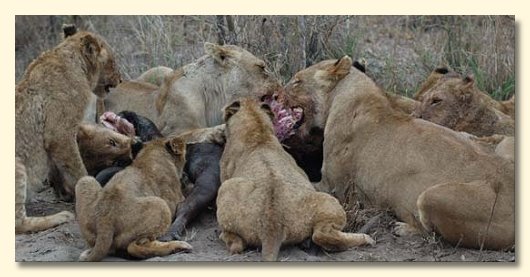
An interesting paper in PLoS Genetics (my favorite journal nowadays) on an examination of Helicobacter species in humans and lions, that shows that there was a transfer of genetic material from human gut bacteria to lion gut bacteria, indicating that lions more likely ate humans, than the other way around. I am somehat surprised by this, given accounts I've seen or read about current African groups that hunt and kill lions (as a rite of passage, or as a way to get rid of lions that are eating livestock).
The time frame that the authors give for this transfer was 50,000 to 400,000 years ago.
Who ate whom? Adaptive Helicobacter genomic changes that accompanied a host jump from early humans to large felines
Mark Eppinger et al.
PLoS Genetics, Early Online Release
Helicobacter pylori infection of humans is so old that the population genetic structure of H. pylori reflects ancient human migrations. A closely related species, Helicobacter acinonychis, is specific for large felines, including cheetahs, lions and tigers, whereas hosts more closely related to humans harbor more distantly related Helicobacter species. This observation suggests a jump between host species. But who ate whom and when did it happen? In order to resolve this question, we determined the genomic sequence of H. acinonychis strain Sheeba and compared it to genomes from H. pylori. The conserved core genes between the genomes are so similar that the host jump probably occurred within the last 200,000 (range 50,000-400,000) years. However, the Sheeba genome also possesses unique features that indicate the direction of the host jump, namely from early humans to cats. Sheeba possesses an unusually large number of highly fragmented genes, many encoding outer membrane proteins, which may have been destroyed in order to bypass deleterious responses from the feline host immune system. In addition, the few Sheeba-specific genes that were found include a cluster of genes encoding sialylation of the bacterial cell surface carbohydrates, which were imported by horizontal genetic exchange and might also help to evade host immune defenses. These results provide a genomic basis for elucidating molecular events that allow bacteria to adapt to novel animal hosts.
Saturday, June 17, 2006
Expansion and Archaics
I'm back
Back from an internet-free trip, and happy to be blogging again...lots to catch up on, I'm sure.
Saturday, May 27, 2006
The genetics of the human brain
The Jewels of Our Genome: The Search for the Genomic Changes Underlying the Evolutionarily Unique Capacities of the Human Brain
James M. Sikela
PLoS Genetics, 2006, v. 2:646-655
Abstract: The recent publication of the initial sequence and analysis of the chimp genome allows us, for the first time, to compare our genome with that of our closest living evolutionary relative. With more primate genome sequences being pursued, and with other genome-wide, cross-species comparative techniques emerging, we are entering an era in which we will be able to carry out genomic comparisons of unprecedented scope and detail. These studies should yield a bounty of new insights about the genes and genomic features that are unique to our species as well as those that are unique to other primate lineages, and may begin to causally link some of these to lineage-specific phenotypic characteristics. The most intriguing potential of these new approaches will be in the area of evolutionary neurogenomics and in the possibility that the key human lineage–specific (HLS) genomic changes that underlie the evolution of the human brain will be identified. Such new knowledge should provide fresh insights into neuronal development and higher cognitive function and dysfunction, and may possibly uncover biological mechanisms for information storage, analysis, and retrieval never previously seen.
James M. Sikela
PLoS Genetics, 2006, v. 2:646-655
Abstract: The recent publication of the initial sequence and analysis of the chimp genome allows us, for the first time, to compare our genome with that of our closest living evolutionary relative. With more primate genome sequences being pursued, and with other genome-wide, cross-species comparative techniques emerging, we are entering an era in which we will be able to carry out genomic comparisons of unprecedented scope and detail. These studies should yield a bounty of new insights about the genes and genomic features that are unique to our species as well as those that are unique to other primate lineages, and may begin to causally link some of these to lineage-specific phenotypic characteristics. The most intriguing potential of these new approaches will be in the area of evolutionary neurogenomics and in the possibility that the key human lineage–specific (HLS) genomic changes that underlie the evolution of the human brain will be identified. Such new knowledge should provide fresh insights into neuronal development and higher cognitive function and dysfunction, and may possibly uncover biological mechanisms for information storage, analysis, and retrieval never previously seen.
Wednesday, May 24, 2006
IHEP (International Human Epigenome Project)
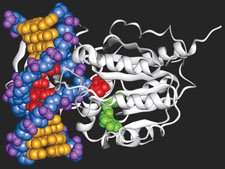
a news feature in Nature, about this project looking at the "epigenetic code":
Methylation and other alterations to DNA can significantly alter gene activity, causing inter-individual variation and sometimes disease, notably cancers. Such changes are 'epigenetic', and the term 'epigenome' refers to all the heritable biological factors other than DNA sequence that influence gene expression. Proposals for a large-scale Human Epigenome Project, modelled on the Human Genome Project, have provoked heated debate. Can this multimillion-dollar project be justified?
News Feature: Epigenetics: Unfinished symphony
To correctly 'play' the DNA score in our genome, cells must read another notation that overlays it — the epigenetic code. A global effort to decode it is now in the making, reports Jane Qiu.
-- more on this when I finish reading it.Tuesday, May 23, 2006
Population subdivision in Indian subcastes

Genetic diversity within a caste population of India as measured by Y-chromosome haplogroups and haplotypes: Subcastes of the Golla of Andhra Pradesh
R. J. Mitchell, B. M. Reddy, D. Campo, T. Infantino, M. Kaps, M.H. Crawford
AJPA: July, 2006, 130:385-393
The extent of population subdivision based on 15 Y-chromosome polymorphisms was studied in seven subcastes of the Golla (Karnam, Pokanati, Erra, Doddi, Punugu, Puja, and Kurava), who inhabit the Chittoor district of southern Andhra Pradesh, India. These Golla subcastes are traditionally pastoralists, culturally homogeneous and endogamous. DNA samples from 146 Golla males were scored for seven unique event polymorphisms (UEPs) and eight microsatellites, permitting allocation of each into haplogroups and haplotypes, respectively. Genetic diversity (D) was high (range, 0.9048-0.9921), and most of the genetic variance (>91%) was explained by intrapopulation differences. Median-joining network analysis of microsatellite haplotypes demonstrated an absence of any structure according to subcaste affiliation. Superimposition of UEPs on this phylogeny, however, did create some distinct clusters, indicating congruence between haplotype and haplogroup phylogenies. Our results suggest many male ancestors for the Golla as well as for each of the subcastes. Genetic distances among the seven subcastes, based on autosomal markers (short tandem repeats and human leukocyte antigens) as well as those on the chromosome Y, indicate that the Kurava may not be a true subcaste of the Golla. Although this finding is based on a very small Kurava sample, it is in accordance with ethnohistorical accounts related by community elders. The Punugu was the first to hive off the main Golla group, and the most recently separated subcastes (Karnam, Erra, Doddi, and Pokanati) fissioned from the Puja. This phylogeny receives support from the analysis of autosomal microsatellites as well as HLA loci in the same samples. In particular, there is a significant correlation (r = 0.8569; P = 0.0097) between Y-chromosome- and autosomal STR-based distances.
some notes:
- concordance between population subdivision based on Y-chromosome analysis and population subdivision based on perceptions of elders is mixed.
- some controversy as to when the Indian caste system originated
- this population practices consanguineous marriage and village endogamy (so, no male or female biased dispersion, I guess?)
-TMRCA of these Y-chromosomes is 34, 370, lending some support to the hypothesis that the caste system originated earlier than some think.
Sunday, May 21, 2006
Do men hunt to provision or to show off?
A new paper in Current Anthropology:
Prestige or Provisioning? A Test of Foraging Goals among the Hadza
Brian Wood
Current Anthropology, 47:383-387
Tests of hypotheses concerning the foraging goals of Hadza men and women using an interview involving a hypothetical instance of foraging group formation show that most Hadza men and all Hadza women prefer to join foraging groups that ensure the greatest household provisioning advantages. Men with dependent offspring are no more likely to choose a strategy beneficial for household provisioning than men without dependent offspring. These results suggest that most Hadza men agree with women's camp preferences and value family provisioning more than broadcasting signals of their hunting ability when deciding with whom to live.
Some have argued that the predominant motivation for male hunting (especially of large game) is to aquire benefits of prestige. This paper fails to support this hypothesis as it shows that Hadza men prefer to join a camp with a lot of good hunters rather than join a group of poor hunters (where they might have higher prestige, themselves). This is similar to the question of whether to join a team of very good players (not so much individual prestige) or join a team of mediocre players (more individual prestige). I think than in this and the hunting case, mens' responses will differ based on their own hunting ability and will also be partly based on the fact that a really good hunter/player can't be good when he isn't surrounded by other equally good players/hunters. I am not sure to what degree teamwork is an important part of Hadza hunting.
final thoughts:
- two hypotheses examined in this paper are not mutually exclusive.
- prestige seems to be more of a byproduct than a primary motivator for male hunting, and is probably dependent on marital status/age/number of dependent offspring (as shown in the Ache, but not here).
Prestige or Provisioning? A Test of Foraging Goals among the Hadza
Brian Wood
Current Anthropology, 47:383-387
Tests of hypotheses concerning the foraging goals of Hadza men and women using an interview involving a hypothetical instance of foraging group formation show that most Hadza men and all Hadza women prefer to join foraging groups that ensure the greatest household provisioning advantages. Men with dependent offspring are no more likely to choose a strategy beneficial for household provisioning than men without dependent offspring. These results suggest that most Hadza men agree with women's camp preferences and value family provisioning more than broadcasting signals of their hunting ability when deciding with whom to live.
Some have argued that the predominant motivation for male hunting (especially of large game) is to aquire benefits of prestige. This paper fails to support this hypothesis as it shows that Hadza men prefer to join a camp with a lot of good hunters rather than join a group of poor hunters (where they might have higher prestige, themselves). This is similar to the question of whether to join a team of very good players (not so much individual prestige) or join a team of mediocre players (more individual prestige). I think than in this and the hunting case, mens' responses will differ based on their own hunting ability and will also be partly based on the fact that a really good hunter/player can't be good when he isn't surrounded by other equally good players/hunters. I am not sure to what degree teamwork is an important part of Hadza hunting.
final thoughts:
- two hypotheses examined in this paper are not mutually exclusive.
- prestige seems to be more of a byproduct than a primary motivator for male hunting, and is probably dependent on marital status/age/number of dependent offspring (as shown in the Ache, but not here).
Friday, May 19, 2006
Need for an evolutionary perspective in medicine
This is a short editorial from a few months back in Science by:
R. Nesse, S. Stearns & G. Omenn
Medicine Needs Evolution
Science, v. 311:1071
Areas of particular interest:
-anatomical anomalies
-infertility
-infection
-metabolic syndromes
-persistence of genes that cause certain diseases
-when is it safe to block cough, fever, diarrhea etc...?
The authors call for an incorporation of evolutionary theory in medical licensing exams, "ensure evolutionary expertise in agencies that fund biomedical research", and incorporate evol. theory into all curriculums.
...and this more recent very short letter by Joseph McInerney (Science 312:998) discusses the insights gained from "evolution theory's recognition of individual variation within populations of organisms."
He also briefly mentions the "recently announced Genes and Environment Initiative at NIH, which will investigate the interaction of genetic and environmental variations in common diseases."
R. Nesse, S. Stearns & G. Omenn
Medicine Needs Evolution
Science, v. 311:1071
Areas of particular interest:
-anatomical anomalies
-infertility
-infection
-metabolic syndromes
-persistence of genes that cause certain diseases
-when is it safe to block cough, fever, diarrhea etc...?
The authors call for an incorporation of evolutionary theory in medical licensing exams, "ensure evolutionary expertise in agencies that fund biomedical research", and incorporate evol. theory into all curriculums.
...and this more recent very short letter by Joseph McInerney (Science 312:998) discusses the insights gained from "evolution theory's recognition of individual variation within populations of organisms."
He also briefly mentions the "recently announced Genes and Environment Initiative at NIH, which will investigate the interaction of genetic and environmental variations in common diseases."
Thursday, May 18, 2006
Consumer Ethology
An interesting piece from PCMag (via TAMU Anthropology in the News) on how major corporations spend billions (yes, billions) on ethnographic research. This can involve looking at differences within and between cultures, between sexes, and across different age groups.
Wednesday, May 17, 2006
Nuclear DNA recovered from Neanderthal
John Hawks has a post on a report that Paabo et al. have been able to sequence parts of the Y-chromosome in Neanderthal remains found in a cave in Croatia. I wonder how much of the genome they will be able to amplify. What are the major questions that they might attempt to answer?
-admixture with moderns
-time since divergence (looks like 315,000 years ago, according to their analysis)
-Neanderthal genetic diversity (from the 10 or so individuals that they hope to eventually look at)
-a multitute of polymorphisms that are of interest in humans - what do they look like in Neanderthals? etc...
-admixture with moderns
-time since divergence (looks like 315,000 years ago, according to their analysis)
-Neanderthal genetic diversity (from the 10 or so individuals that they hope to eventually look at)
-a multitute of polymorphisms that are of interest in humans - what do they look like in Neanderthals? etc...
Tuesday, May 16, 2006
More on mutations in humans
From a paper in Nature in 1999 (397:344-347), by the same authors as the paper below on fitness effects of mutations:
High genomic deleterious mutation rates in hominids
Adam Eyre-Walker, Peter D. Keightley
It has been suggested that humans may suffer a high genomic deleterious mutation rate,. Here we test this hypothesis by applying a variant of a molecular approach to estimate the deleterious mutation rate in hominids from the level of selective constraint in DNA sequences. Under conservative assumptions, we estimate that an average of 4.2 amino-acid-altering mutations per diploid per generation have occurred in the human lineage since humans separated from chimpanzees. Of these mutations, we estimate that at least 38% have been eliminated by natural selection, indicating that there have been more than 1.6 new deleterious mutations per diploid genome per generation. Thus, the deleterious mutation rate specific to protein-coding sequences alone is close to the upper limit tolerable by a species such as humans that has a low reproductive rate, indicating that the effects of deleterious mutations may have combined synergistically. Furthermore, the level of selective constraint in hominid protein-coding sequences is atypically low. A large number of slightly deleterious mutations may therefore have become fixed in hominid lineages.
High genomic deleterious mutation rates in hominids
Adam Eyre-Walker, Peter D. Keightley
It has been suggested that humans may suffer a high genomic deleterious mutation rate,. Here we test this hypothesis by applying a variant of a molecular approach to estimate the deleterious mutation rate in hominids from the level of selective constraint in DNA sequences. Under conservative assumptions, we estimate that an average of 4.2 amino-acid-altering mutations per diploid per generation have occurred in the human lineage since humans separated from chimpanzees. Of these mutations, we estimate that at least 38% have been eliminated by natural selection, indicating that there have been more than 1.6 new deleterious mutations per diploid genome per generation. Thus, the deleterious mutation rate specific to protein-coding sequences alone is close to the upper limit tolerable by a species such as humans that has a low reproductive rate, indicating that the effects of deleterious mutations may have combined synergistically. Furthermore, the level of selective constraint in hominid protein-coding sequences is atypically low. A large number of slightly deleterious mutations may therefore have become fixed in hominid lineages.
Fitness effects of mutations in humans
I'm not at all familiar with the methods in this paper, but the conclusion sounds interesting, namely that "it will be difficult to locate the majority of mutations involved in genetic disease unless the disease is completely un-associated with fitness, or some of the mutations have been subject to positive selection."
The Distribution of Fitness Effects of New Deleterious Amino Acid Mutations in Humans
Adam Eyre-Walker, Meg Woolfit, Ted Phelps
Genetics, March 17, 2006, Epub ahead of print.
Abstract: The distribution of fitness effects of new mutations is a fundamental parameter in genetics. Here we present a new method by which the distribution can be estimated. The method is fairly robust to changes in population size and admixture, and it can be corrected for any residual effects if a model of the demography is available . We apply the method to extensively sampled single nucleotide polymorphism data from humans and estimate the distribution of fitness effects for amino acid changing mutations. We show that a gamma distribution with a shape parameter of 0.23 provides a good fit to the data and we estimate that more than 50% of mutations are likely to have mild effects, such that they reduce fitness by between 1/1000 and 1/10. We also infer that fewer than 15% of new mutations are likely to have strongly deleterious effects. We estimate that on average a non-synonymous mutation reduces fitness by ~4.3% and that the average strength of selection acting against a non-synonymous polymorphism is ~9 x 10⁻⁵. We argue that the relaxation of natural selection due to modern medicine and reduced variance in family size is not likely to lead to a rapid decline in genetic quality, but that it will be very difficult to locate most of the genes involved in complex genetic diseases.
The Distribution of Fitness Effects of New Deleterious Amino Acid Mutations in Humans
Adam Eyre-Walker, Meg Woolfit, Ted Phelps
Genetics, March 17, 2006, Epub ahead of print.
Abstract: The distribution of fitness effects of new mutations is a fundamental parameter in genetics. Here we present a new method by which the distribution can be estimated. The method is fairly robust to changes in population size and admixture, and it can be corrected for any residual effects if a model of the demography is available . We apply the method to extensively sampled single nucleotide polymorphism data from humans and estimate the distribution of fitness effects for amino acid changing mutations. We show that a gamma distribution with a shape parameter of 0.23 provides a good fit to the data and we estimate that more than 50% of mutations are likely to have mild effects, such that they reduce fitness by between 1/1000 and 1/10. We also infer that fewer than 15% of new mutations are likely to have strongly deleterious effects. We estimate that on average a non-synonymous mutation reduces fitness by ~4.3% and that the average strength of selection acting against a non-synonymous polymorphism is ~9 x 10⁻⁵. We argue that the relaxation of natural selection due to modern medicine and reduced variance in family size is not likely to lead to a rapid decline in genetic quality, but that it will be very difficult to locate most of the genes involved in complex genetic diseases.
The advantages of publishing in open access journals
In the new issue of PLoS Biology (open access). I had trouble getting the end of the abstact for some reason so you might just want to click on the link (there is more below, after the abstract):
Citation Advantages of Open Access Articles
Gunther Eysenbach
PLoS Biology, v.4, May 2006, p.692-698
Abstract:"Open access (OA) to the research literature has the potential to accelerate recognition and dissemination of research findings, but its actual effects are controversial. This was a longitudinal bibliometric analysis of a cohort of OA and non-OA articles published between June 8, 2004, and December 20, 2004, in the same journal (PNAS: Proceedings of the National Academy of Sciences). Article characteristics were extracted, and citation data were compared between the two groups at three different points in time: at "quasi-baseline" (December 2004, 0-6 mo after publication), in April 2005 (4-10 mo after publication), and in October 2005 (10-16 mo after publication). Potentially confounding variables, including number of authors, authors' lifetime publication count and impact, submission track, country of corresponding author, funding organization, and discipline, were adjusted for in logistic and linear multiple regression models. A total of 1,492 original research articles were analyzed: 212 (14.2% of all articles) were OA articles paid by the author, and 1,280 (85.8%) were non-OA articles. In April 2005 (mean 206 d after publication), 627 (49.0%) of the non-OA articles versus 78 (36.8%) of the OA articles were not cited (relative risk = 1.3 [95% Confidence Interval: 1.1-1.6]; p = 0.001). 6 mo later (mean 288 d after publication), non-OA articles were still more likely to be uncited (non-OA: 172 [13.6%], OA: 11 [5.2%]; relative risk = 2.6 [1.4-4.7]; p<0.001).the sd =" 2.5]" sd =" 2.0];" z =" 3.123;" p =" 0.002;" sd =" 10.4]" sd =" 4.9];" z =" 4.058;" ratio =" 2.1">
I find it surprising that there would be a significant increase in citations from papers in an open-access journal, since it is very probable that people who would be citing papers would already have access through their research institution.
The authors seem to have included a substantial number of controls, and also briefly examined self-archived journals, such as those that are on an author's website or can be obtained through Google or other internet site.
The authors briefly discuss in the conclusion below how more papers/journals might become open access:
"OA journals and hybrid journals like PNAS, as well as traditional publishers like Blackwell Publishing (“Online Open”), Oxford University Press (“Oxford Open”), and Springer (“Springer Open Choice”) are now offering authors an immediate OA option if the author pays a fee. Researchers, publishers, and policymakers confronted with the question of whether or not to invest in OA publishing have reason to believe that OA accelerates scientific advancement and knowledge translation of research into practice. While more work remains to be done to evaluate citation patterns over longer periods of time and in different fields and journals, this study provides evidence and new arguments for scientists and granting agencies to invest money into article processing fees to cover the costs of OA publishing. It also provides an incentive for publishers seeking to increase their impact factor to offer an OA option.
Citation Advantages of Open Access Articles
Gunther Eysenbach
PLoS Biology, v.4, May 2006, p.692-698
Abstract:"Open access (OA) to the research literature has the potential to accelerate recognition and dissemination of research findings, but its actual effects are controversial. This was a longitudinal bibliometric analysis of a cohort of OA and non-OA articles published between June 8, 2004, and December 20, 2004, in the same journal (PNAS: Proceedings of the National Academy of Sciences). Article characteristics were extracted, and citation data were compared between the two groups at three different points in time: at "quasi-baseline" (December 2004, 0-6 mo after publication), in April 2005 (4-10 mo after publication), and in October 2005 (10-16 mo after publication). Potentially confounding variables, including number of authors, authors' lifetime publication count and impact, submission track, country of corresponding author, funding organization, and discipline, were adjusted for in logistic and linear multiple regression models. A total of 1,492 original research articles were analyzed: 212 (14.2% of all articles) were OA articles paid by the author, and 1,280 (85.8%) were non-OA articles. In April 2005 (mean 206 d after publication), 627 (49.0%) of the non-OA articles versus 78 (36.8%) of the OA articles were not cited (relative risk = 1.3 [95% Confidence Interval: 1.1-1.6]; p = 0.001). 6 mo later (mean 288 d after publication), non-OA articles were still more likely to be uncited (non-OA: 172 [13.6%], OA: 11 [5.2%]; relative risk = 2.6 [1.4-4.7]; p<0.001).the sd =" 2.5]" sd =" 2.0];" z =" 3.123;" p =" 0.002;" sd =" 10.4]" sd =" 4.9];" z =" 4.058;" ratio =" 2.1">
I find it surprising that there would be a significant increase in citations from papers in an open-access journal, since it is very probable that people who would be citing papers would already have access through their research institution.
The authors seem to have included a substantial number of controls, and also briefly examined self-archived journals, such as those that are on an author's website or can be obtained through Google or other internet site.
The authors briefly discuss in the conclusion below how more papers/journals might become open access:
"OA journals and hybrid journals like PNAS, as well as traditional publishers like Blackwell Publishing (“Online Open”), Oxford University Press (“Oxford Open”), and Springer (“Springer Open Choice”) are now offering authors an immediate OA option if the author pays a fee. Researchers, publishers, and policymakers confronted with the question of whether or not to invest in OA publishing have reason to believe that OA accelerates scientific advancement and knowledge translation of research into practice. While more work remains to be done to evaluate citation patterns over longer periods of time and in different fields and journals, this study provides evidence and new arguments for scientists and granting agencies to invest money into article processing fees to cover the costs of OA publishing. It also provides an incentive for publishers seeking to increase their impact factor to offer an OA option.